A dripping faucet, a toilet that keeps refilling or an unexpected water bill can leave you wondering where to start. Use this home plumbing checklist to spot changes, organize your questions and get ready for a service visit. Gulfview helps Pinellas County homeowners understand their options without having to diagnose the problem themselves.
For active leaking or sewage backup, call Gulfview rather than waiting for an online response. Do not enter standing water near electrical equipment or an unsafe space to investigate. Our team confirms availability and the next step.
1. Start your home plumbing checklist with a safe look
A damp cabinet, a new stain or a puddle near the water heater deserves a closer look. You can tell us what you see without taking anything apart. Water can travel before it becomes visible, so the wet spot may be a clue rather than the source. We can investigate the leak and explain the repair options. Leave electrical covers, hot components, concealed piping and hard-to-reach spaces to a professional.
A water alarm can help draw attention to moisture in a closet or another area you rarely see. Its placement and testing should follow the manufacturer’s instructions. An alarm alerts you to water; it does not necessarily shut off the supply. If you would like more protection, we can discuss monitoring and automatic shutoff options for your home.
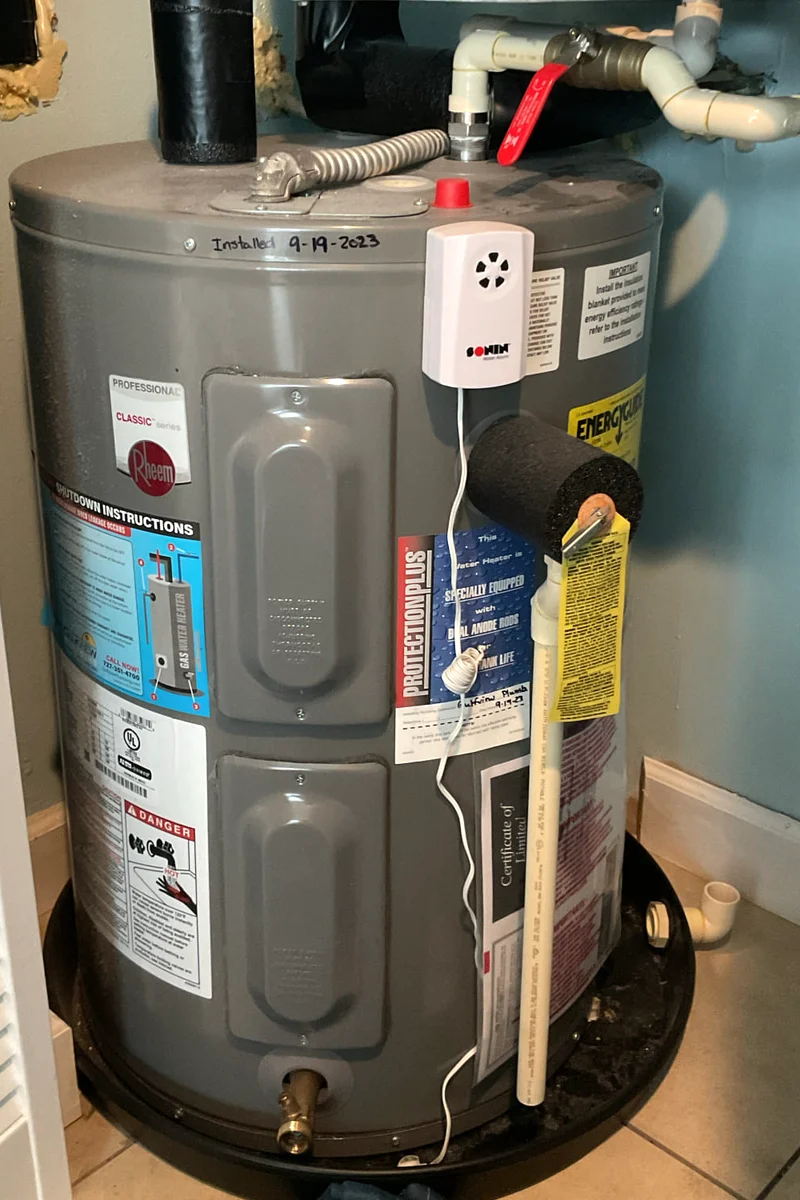
For your home plumbing checklist, start with a simple question: what has changed? A new drip, a musty cabinet or damp flooring is worth mentioning even if the plumbing still seems to work. Our leak detection service can help when the source is not obvious.
2. Notice changes during everyday use
Does a toilet refill between flushes? Does a faucet drip after it is turned off? Is a flow or temperature change limited to one fixture, hot water only, or several fixtures? Note when the issue began and any recent work. Do not keep flushing or adding water to a fixture that is backing up.
Use our toilet guide, faucet and shower guide, and drain and sewer guide to prepare relevant questions. Similar symptoms can call for different investigations.
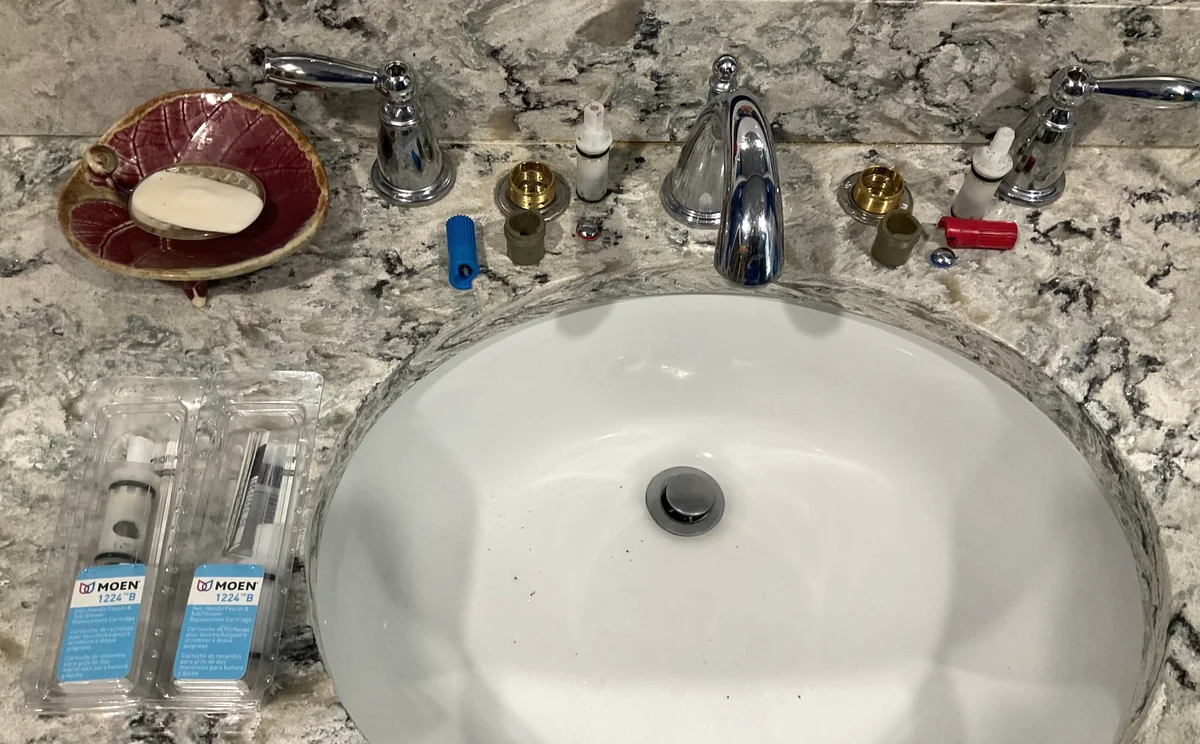
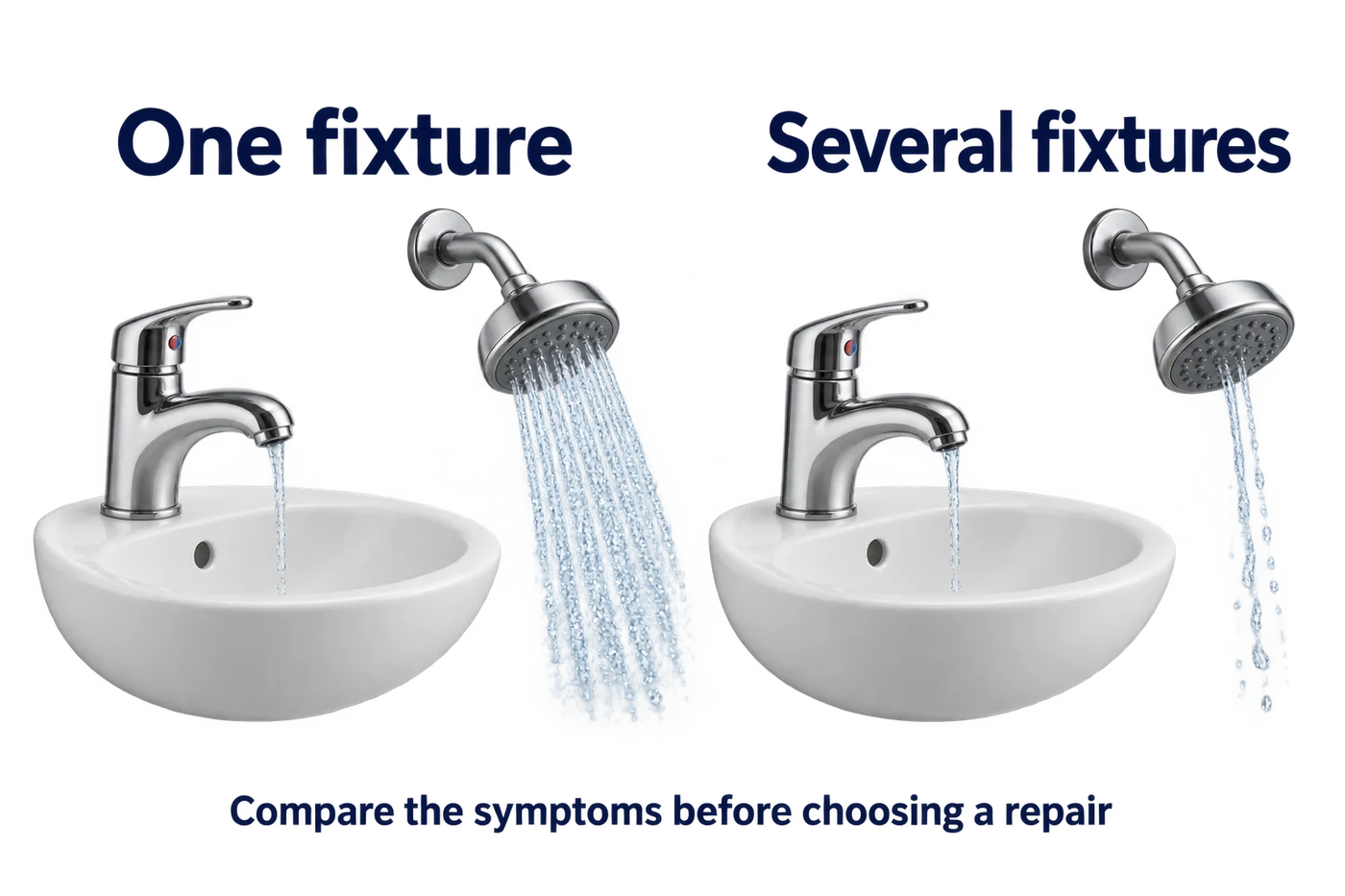
Weak flow is not always a pipe problem
A shower that loses strength when another tap opens gives us a different starting point from one faucet that always runs slowly. A restricted filter, water treatment equipment or a failed or partially closed valve can also affect flow. Tell us whether hot water, cold water or both are affected and whether the change was sudden. Our low water pressure page explains the possibilities in more detail.
Recurring slow drains deserve attention as well. If the kitchen sink and another fixture are backing up together, mention both. We may need to look beyond a single fixture to the shared drain. A sewer camera inspection can help investigate pipe condition when appropriate; it is not the same service as clearing a clog.
3. Keep water bills and equipment records handy
Compare the consumption and billing period on recent water bills, not just the amount charged. Note visitors, irrigation changes, pool filling or automatic equipment use. Our high-water-bill checklist explains additional observations and safe meter-access limits.
Have a previous repair invoice or a photo of an accessible equipment label? Keep it handy. Knowing what is already installed helps us talk through maintenance, replacement parts and your options. You do not need to move a heavy appliance or remove a cover to find a number. We can look at the equipment during your visit.
The EPA’s WaterSense leak guidance highlights running toilets, dripping faucets and leaking valves as common household concerns. An occasional refill can be easy to miss during a busy day. If you hear it when no one has flushed, add it to your home plumbing checklist and tell us how often it happens.
Water treatment deserves a place on the list, too. Keep the last service date and filter information if you have them, and mention changes in flow, taste or the way the system operates. Different systems need different care. Our water treatment team can help you understand the equipment you already have and discuss maintenance or replacement when needed.
4. Use your home plumbing checklist before guests arrive
Before a busy weekend or holiday, make a note of existing slow drains, dripping fixtures, toilets that refill on their own and changes in hot-water performance. Contact us ahead of the visit to discuss those concerns and available appointments. Gulfview offers 24/7 plumbing service. Your online booking confirmation provides your appointment details. Call for urgent help so we can discuss current availability.
Plan around the hot water your household actually uses. If showers already run cold, discuss the pattern with us using our water-heater guide; do not raise a temperature setting simply because guests are coming. Keep bathrooms supplied with a waste bin and share the toilet-use guidance. For kitchen cleanup, consult the instructions for your disposal and our disposal service guide. Existing recurring backups deserve assessment, not a last-minute chemical treatment.
5. Plan ahead for freezing weather
A cold-weather warning is a reason to check exposed plumbing, even in Florida. Use current local forecasts rather than an old alert when planning. The City of Pinellas Park’s cold-weather guidance includes protecting exposed pipes.
Before temperatures fall, disconnect outdoor hoses and check insulation on accessible water lines. Keep garage doors closed where water pipes run. Opening sink-cabinet doors can let warmer room air reach plumbing; move cleaners out of children’s reach first.
The American Red Cross advises a small cold-water drip at a faucet served by exposed piping during very cold weather. That is not a blanket instruction to leave every faucet running. Ask for guidance suited to your plumbing if you are unsure.
If flow slows sharply during freezing weather, a frozen line is one possibility. Never use a torch or open flame to thaw plumbing. If you cannot safely locate or access the affected pipe, contact a licensed plumber.
Need help reviewing exposed plumbing or investigating a loss of flow? Call Gulfview to discuss service.
6. Make the service visit easier to plan
A little room to work makes a difference. Clearing stored items from under the sink and keeping the route to the equipment open helps us get started. Let us know about pets, gate codes, building rules or a tenant we need to coordinate with. If you know where your main shutoff or sewer cleanout is, point it out when we arrive. We can also help you identify a shutoff you are unsure about; do not force a valve that is stuck or damaged.
If a problem comes and goes, a short photo or video taken safely can be helpful. You might catch the sound of a toilet refilling, the location of a drip or a faucet’s weak flow. There is no need to recreate a backup or keep a leaking fixture running for a better picture. Tell us what happened and we will take it from there.
7. Know what your inspection includes
Are you looking for routine care, answers about a recurring problem or help evaluating plumbing before a purchase? Tell us what brought you here. A general inspection, a sewer camera inspection and electronic leak detection answer different questions. We will help you choose the appropriate service and explain what is included before work begins.
You should leave the conversation understanding what we found and what your options are. Some concerns are visible; others need a closer investigation behind a wall, below a floor or inside a drain line. If further diagnosis or repair is needed, we will discuss that work and its price separately.
8. Compare the work, not just the price
Ask for the contractor’s license number and check the current record using Florida DBPR’s official license search. Ask about experience with the work you need, who will perform it, and the insurance documentation available for the project. A clear proposal helps you understand what you are paying for.
Two estimates can look very different when one includes access and restoration and the other does not. Compare the equipment, materials, labor, cleanup and any applicable permits, along with what happens to an opened wall, floor or landscape area. We are happy to explain visit charges, what could affect the price and how any additional work would be approved.
Warranty questions are welcome, too. Equipment coverage and installation labor coverage may differ, particularly with customer-supplied products. When you request an estimate, ask us to walk through the coverage for the work you are considering.
9. Choose one-time service or ongoing care
Sometimes you just need one problem fixed. Other times, you want help keeping up with the plumbing throughout your home. You can schedule a plumbing inspection as a one-time service. For eligible single-family properties, our Gulfview VIP membership offers annual care, service discounts and priority scheduling, with the full benefits and membership terms explained on our VIP page.
What should you tackle first?
Active leaks, sewage backups and a sudden loss of water deserve prompt attention. A cosmetic fixture upgrade can usually be planned around your preferences and budget. Between those extremes are the small concerns that keep returning: the toilet that runs, the faucet that drips and the drain that slows every few weeks. Bring them up together so we can help you decide what needs attention now and what can be planned.
You can explore our plumbing resources and contact Gulfview with questions before booking. Your home plumbing checklist is a conversation starter, not a test you need to pass. You do not have to know the name of a part or choose a replacement before asking for help.
Keep your home plumbing checklist handy
Save this page for the next time something changes around your home. A few notes on your phone are enough: the fixture or room, what you noticed, when it started and the question you want answered. If another concern comes to mind before your appointment, let us know so we can plan for it.
After the visit, keep your estimate or invoice with any equipment information and maintenance recommendations. That gives you a useful starting point next time, whether you are arranging routine care or deciding when to replace an aging fixture.
Questions that come up when planning plumbing care
Do I need a separate appointment for every concern?
You can tell us about several concerns when you book. A dripping bathroom faucet and a kitchen drain that keeps slowing down may call for different parts or equipment, so knowing about both helps us plan. We can discuss the work you want addressed and the time available. Combining concerns does not mean every repair has the same price or can always be completed during one visit. You will have the opportunity to review the proposed work before deciding.
What if the problem disappears before you arrive?
That happens with intermittent plumbing problems. The timing still matters: a noise after the washing machine stops, a toilet that refills overnight or a drip that appears only during a shower can help guide the investigation. Keep any photos you already took safely and tell us what was running at the time. We will explain what we can assess during the visit and whether more observation or diagnosis is needed. A quiet fixture on arrival does not erase the concern you noticed.
Can I use this checklist for a condo or rental?
Yes. Your observations are useful, but access and authorization may involve someone else. If you rent, discuss the concern with your landlord or property manager. In a condo, a water shutoff or shared drain may require building coordination. Tell us about those arrangements before the appointment so we can discuss the next step with the appropriate person. Our condo plumbing guide explains common access considerations. This home plumbing checklist does not determine who owns a pipe or who is responsible for its repair.
What should I plan before leaving a seasonal home?
Leaving town is a good time to bring up a leak, unreliable shutoff or equipment concern you have been putting off. Let us know how long you expect to be away and whether someone will check the property. The right plan depends on the home and its equipment; a generic list cannot account for every water heater, treatment system or appliance. We can discuss the plumbing with you before you leave. An alarm or monitoring device can be part of that conversation, alongside who will receive an alert and respond.
Should I buy a replacement fixture before calling?
You do not have to. If you like a particular faucet or toilet, save its product information and tell us what appeals to you. Fit, connections and the condition of the existing plumbing can affect the installation. We can discuss options we furnish or installation of customer-supplied equipment, including the differences in coverage. If the fixture still suits your home, a repair may also be worth considering. Starting with the concern gives you room to compare choices before purchasing something that may not fit.
Where can I see prices before I book?
Our plumbing pricing menu provides starting prices for common services. Use it to get familiar with the options, then tell us about the actual problem and access conditions. A starting price is not a final quote for every home. Diagnosis, equipment choices or work needed to reach concealed piping may affect the estimate. We can explain the proposed service and pricing so you know what you are approving. Bring your questions—we want the conversation to leave you comfortable with the next step.
How often should I use a home plumbing checklist?
You can return to it when something changes, before hosting guests or when planning your next maintenance visit. There is no need to turn every normal household sound into a project. Focus on concerns that are new, persistent or affecting how you use your home. Equipment maintenance follows its own schedule, which depends on the product and conditions. Keep those recommendations with your records so a general checklist complements the care your particular equipment needs.
Plan your next step
Bring your home plumbing checklist notes, property address and equipment information to the conversation. Check our service areas, Schedule an Appointment, or call Gulfview. Gulfview Plumbing & Water Treatment is family-owned and operated by John and Chrissy Wear. Florida Plumbing License CFC1429897.