
1. What can we check when you notice sewer odors?
Once immediate safety concerns have been addressed and the area is safe, let’s talk about the sewer odors you’ve noticed. Gulfview Plumbing & Water Treatment helps Pinellas County customers investigate drain, toilet-connection and vent-piping concerns. We’ll explain what we can check and what the findings mean before recommending work. Sewer odors alone don’t tell us which repair you need.
Where did you notice the smell, and when did it start? Tell us whether it comes and goes or followed plumbing or building work. Mention infrequently used fixtures, gurgling, slow drainage, visible moisture or a loose toilet. You don’t need to diagnose the problem before calling, and you should never remain in an unsafe area to collect these details.
Drains, connections and vents work together
Drainage, fixture connections and vent piping work as a system, so the source may not be the fixture nearest the odor. We explain which accessible areas we can inspect and whether further investigation is needed before recommending a repair.
A sewer camera inspection examines visible conditions within accessible piping; it is not a whole-building gas-safety clearance. A recurring smell is not by itself proof that a sewer line needs replacement. Our drain and sewer guide explains cleaning versus repair.
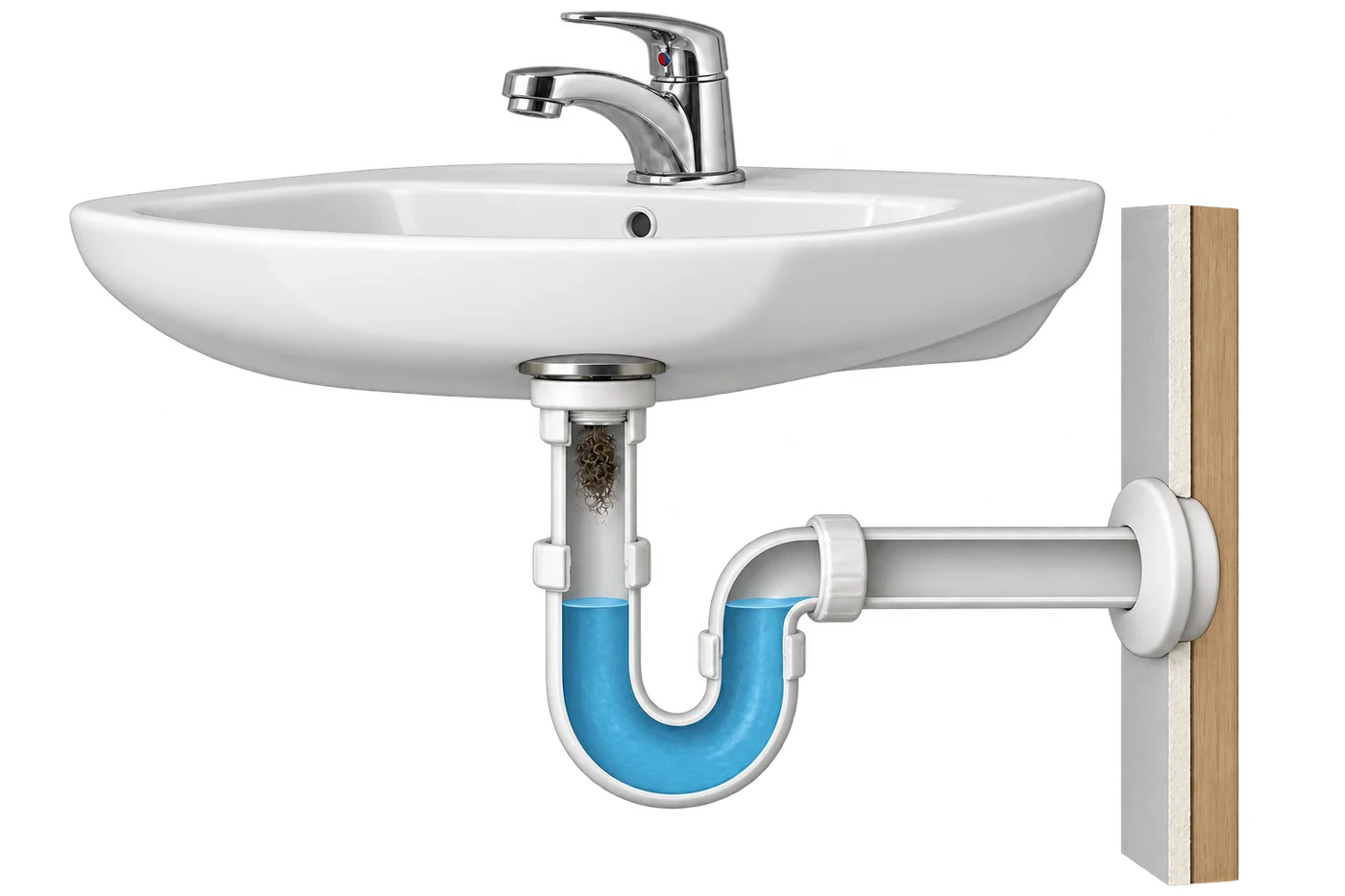
Why can sewer odors appear in a bathroom you rarely use?
A guest bathroom, laundry drain or other little-used fixture can lose the water held in its trap through evaporation. Without that water seal, sewer gases have a path into the room. That is one reason we ask whether a room has been unused or the home has been vacant. The Milwaukee Metropolitan Sewerage District explains how dry traps and plumbing vents relate to sewer odors.
If the smell keeps returning, tell us how often it happens and whether normal fixture use changes it. A recurring problem deserves a closer look at the trap, connections and venting rather than another attempt to cover the smell. We can discuss the appropriate investigation once the area is safe.
You may also notice an odor alongside a slow drain or a toilet that moves at its base. Mention both symptoms when booking, even if they seem unrelated. That gives us a clearer starting point without asking you to remove a fixture or open a wall yourself.
How smoke testing helps us trace sewer odors
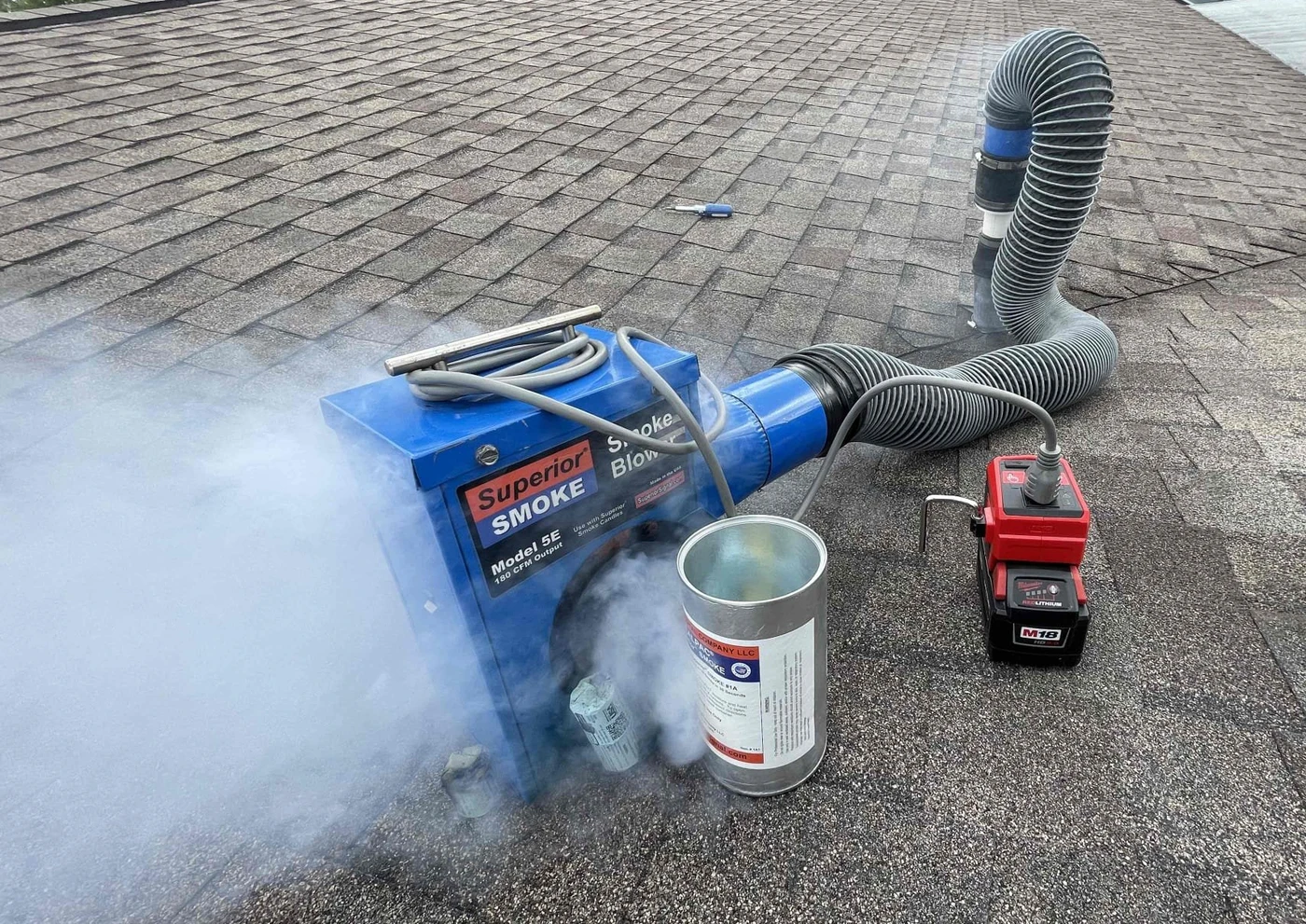
Some sewer odors are difficult to trace with a visual inspection alone. Gulfview uses smoke testing to help locate openings in drain and vent piping that may be allowing sewer gases to escape. We introduce test smoke into the plumbing system and look for where it emerges. An unexpected escape point can help us narrow down the area that needs attention.
Smoke coming from a normal roof vent is different from smoke appearing around a faulty connection or inside the building. We interpret those findings alongside the fixture traps, piping layout and symptoms you have described. The test helps guide the investigation; it does not mean every odor calls for the same repair.
Tracing sewer odors at a Clearwater home
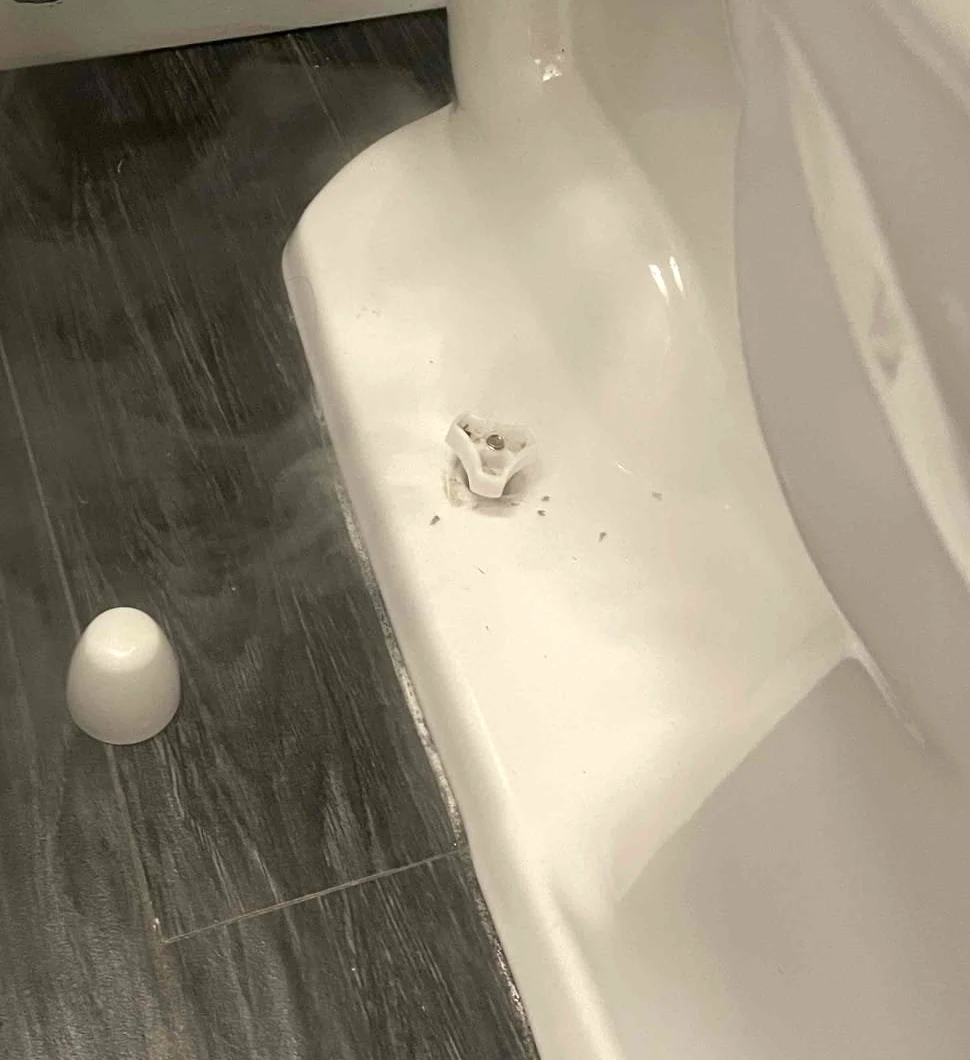
At one Clearwater home, our earlier leak checks had narrowed the concern to the toilet seal or the drain piping beneath it. We connected our smoke-testing equipment through the bathroom’s roof vent. During the first test, smoke appeared around the toilet.
Removing the toilet revealed a failed wax seal and water beneath the tile. We then sealed the drain opening with a test plug and repeated the smoke test. No smoke was seen escaping around the toilet area, vanity drain, shower or vent stack during that second test. Those findings pointed to the toilet seal as the main problem.
That is why testing can be helpful before deciding what to repair. Sewer odors and moisture can raise concerns about hidden piping, but the findings—not the smell alone—should guide the next step. Your home may need a different investigation; we will explain what we find and how it affects your options.
Would a smoke test or camera inspection be more useful?
They answer different questions. A camera gives us a view inside accessible drain piping, while smoke testing helps reveal paths where gas can escape. Depending on the concern, we may recommend one approach or a combination. Before testing, we will explain the proposed work, access needs and price, then review what we find with you. If an opening is concealed, we will discuss any additional access needed before proceeding with a repair.
Planning a smoke test around your home
Before a smoke test, let us know who will be home, whether anyone has a respiratory condition, and whether access must be arranged with a tenant or building manager. Test vapor can be irritating to some people. We can discuss those concerns before deciding how to proceed; you should not have to guess what the visit will involve.
We will explain which plumbing areas need to be accessible and how to prepare for the proposed test. Keep stored belongings clear of the areas we have agreed to inspect, but leave fixtures, traps and pipe connections assembled. In a condo, coordination may also involve shared piping or neighboring spaces. Our condo plumbing guide can help you plan building access.
For background on how test smoke reveals plumbing openings, see Brevard County’s explanation of sewer smoke testing. Municipal testing and a test at your property can have different purposes and arrangements; we will explain the work proposed for your sewer odors.
What happens if smoke points to a concealed problem?
Finding an escape point gives us a direction, but we still need to understand the connection behind it. For example, smoke near a wall opening does not necessarily reveal the full length of affected piping. We will talk through what is visible, what remains uncertain and whether a limited opening or another inspection is needed.
You can ask us to explain the next step before approving it. If the findings change the recommended repair, we will discuss that change with you. The goal is to connect the test results to a practical repair plan, rather than leave you with a test result and no clear way forward.
2. What does vent-pipe repair involve?
If we identify a vent-piping defect, we explain the affected section, the recommended repair and how we would reach it. Work through finished walls, an attic or a roof area needs to be planned around your property. Please leave that investigation to qualified professionals; do not climb onto a roof, enter a hazardous space or dismantle piping to trace an odor.
Your estimate explains the plumbing work and whether opening or restoring walls, ceilings or roofing is included. We identify any separately priced building work, discuss applicable permits or inspections, and explain how the repair will be checked. You can review the scope and any remaining limitations before approving the work.
3. What should you share when booking?
If the sewer odors come and go, tell us about the pattern you’ve already noticed, even if there is no smell when you call. Keep previous repair records, inspection reports and building-access information handy. If a utility or emergency responder attended, share their instructions or findings. Tell us about any drain-cleaning products already used; do not add or mix chemicals to mask or treat an unexplained odor.
Whether you’re concerned about a toilet connection, recurring backup or vent, we’ll discuss the next step and confirm availability with you. Your findings and property conditions guide the scope and price. Immediate attendance isn’t guaranteed, and a plumbing assessment may not resolve an odor that comes from another source.
Can a toilet connection cause sewer odors without a clogged drain?
Yes. A toilet’s connection to the drain is a separate concern from whether it flushes. If you have noticed movement at the base, moisture around the toilet or sewer odors nearby, mention those details when you call. The toilet may need to be removed to inspect its seal and flange; simply tightening the bolts is not a substitute for finding the cause.
Our guide to a toilet leaking at the base explains why the seal, flange and surrounding floor all matter. An odor near a toilet does not prove that connection is the source, but it is a useful place for the assessment to consider.

Should I book drain cleaning for sewer odors?
If you also have a slow sink, gurgling toilet or repeated backup, tell us. Cleaning may be appropriate when buildup or a blockage is involved, while an open connection or damaged vent needs a different solution. You do not have to select a cleaning method or commit to pipe replacement before we understand the concern.
For a sink that drains slowly, our drain-cleaning services explain the next steps. For sewer odors that return despite normal drainage, ask about an odor assessment. Sharing both the smell and the drainage symptoms helps us plan the right visit.
Can you help if sewer odors return while the house is vacant?
Let us know how long the property is usually empty and whether someone can meet us there. We can discuss access with you or your authorized contact and explain the findings so you can make a decision even when you are away. If you have previous inspection or repair records, those can help avoid starting the conversation from scratch.
What affects the cost of tracing and repairing sewer odors?
The starting point is the investigation your home needs. An accessible fixture connection is different from piping concealed in a block wall or above a finished ceiling. Testing, the access available and the extent of a confirmed problem all affect the work involved. We will explain the proposed diagnostic charge before you approve the visit’s next step.
Once we understand the problem, you can review the recommended repair and ask what is included. Does the price cover removing and resetting a fixture? Will a cabinet, wall or ceiling need to be opened? Who will handle the finish work afterward? Those answers help you compare the actual work, rather than just a number.
Our office can help you arrange an assessment and discuss your concerns. If you are combining the repair with a planned fixture update, mention that at the start. We can talk through whether it makes sense to coordinate the work, without replacing a working fixture simply because an odor needs attention.
Sewer odors after a kitchen or bathroom update
A new sink, vanity or toilet changes the conversation because recent work gives us useful background. Tell us what was changed and whether the odor started before or afterward. If another contractor completed the work, any photos or paperwork you already have can help explain the layout. Timing is a clue, not proof that a particular person or part caused the problem.
For an under-sink concern, we may need room to see the trap and the drain connection entering the wall. You can clear stored items when it is safe to do so, but there is no need to loosen connections for us. If you have also noticed a drip, let us know so we can consider both concerns during the visit.
If you are still planning your update, our faucet and fixture services cover the visible improvements as well as the connections that need to fit behind them. A good-looking sink should also have properly planned drainage and convenient access for future service.
What if sewer odors are gone when we arrive?
Intermittent sewer odors can be frustrating. Tell us about the pattern you remember, such as the room involved and whether it followed normal fixture use. We can start with that history and the plumbing conditions we can inspect. If the source is not established, we will explain what the visit did show and discuss a sensible next step instead of presenting a guess as a confirmed diagnosis.
Get help with sewer odors
After the property is safe, Schedule an Appointment or call Gulfview. Review our inspection-preparation checklist and service areas. Family-owned and operated by John and Chrissy Wear. Florida Plumbing License CFC1429897.