Commercial Drain Maintenance: Main Sewer and Restroom Drains
When you manage a commercial property, a drain problem can affect more than one room. Planning maintenance starts with knowing which parts of the system need attention. Cleaning the main sewer and clearing individual restroom drains are different jobs, even when they’re scheduled for the same visit.
At Gulfview, we plan commercial drain service around the property, the available access and the concern you’re trying to solve. Tell us whether you’re dealing with a recurring blockage, arranging main-line maintenance or looking for help with several drains. That gives us a useful place to start.
Define Which Drains Are Included
Main-sewer cleaning doesn’t automatically include every fixture and branch drain in the building. A clear estimate should name the areas being serviced, so you know whether restroom drains, floor drains or other lines are included.
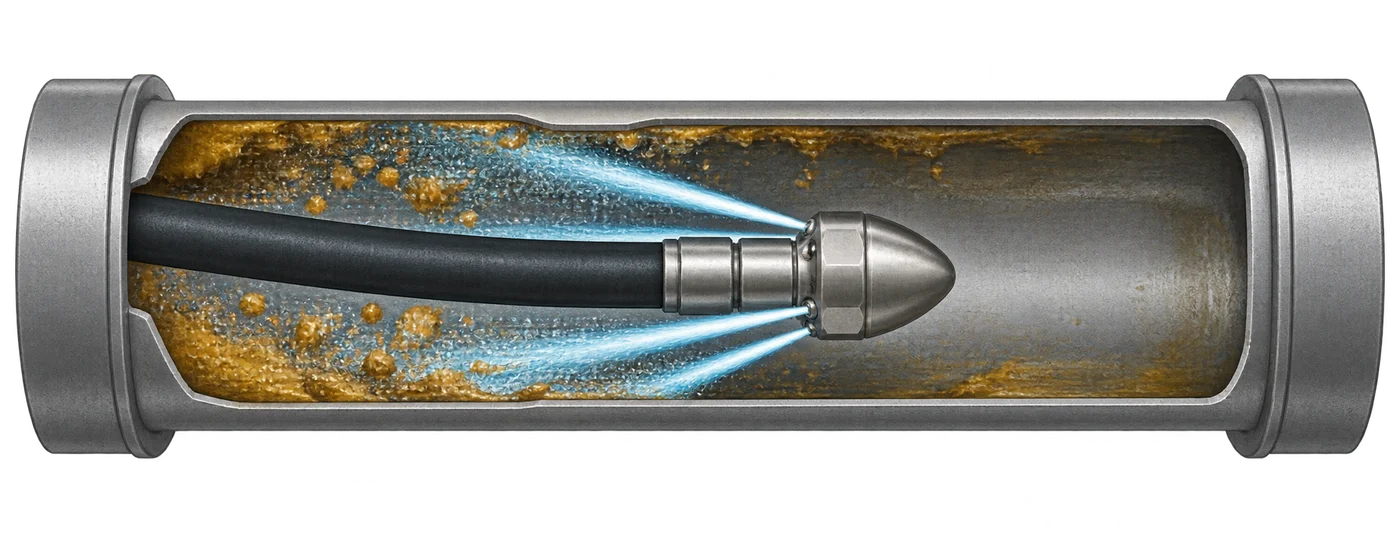
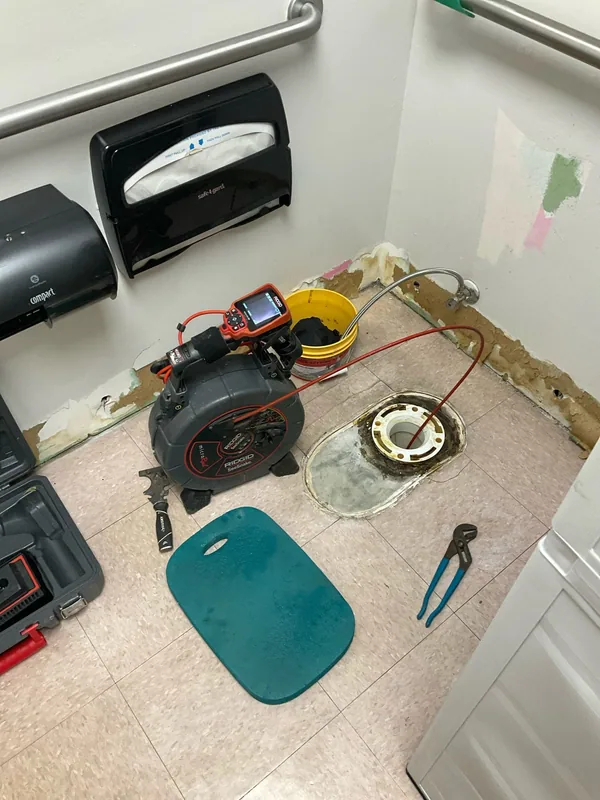
For some of our recurring commercial work, the scope has combined main-sewer hydro jetting with separate restroom drain cabling. Planning those tasks together can make sense, but each still needs to be identified in the service plan.
Plan Around Access
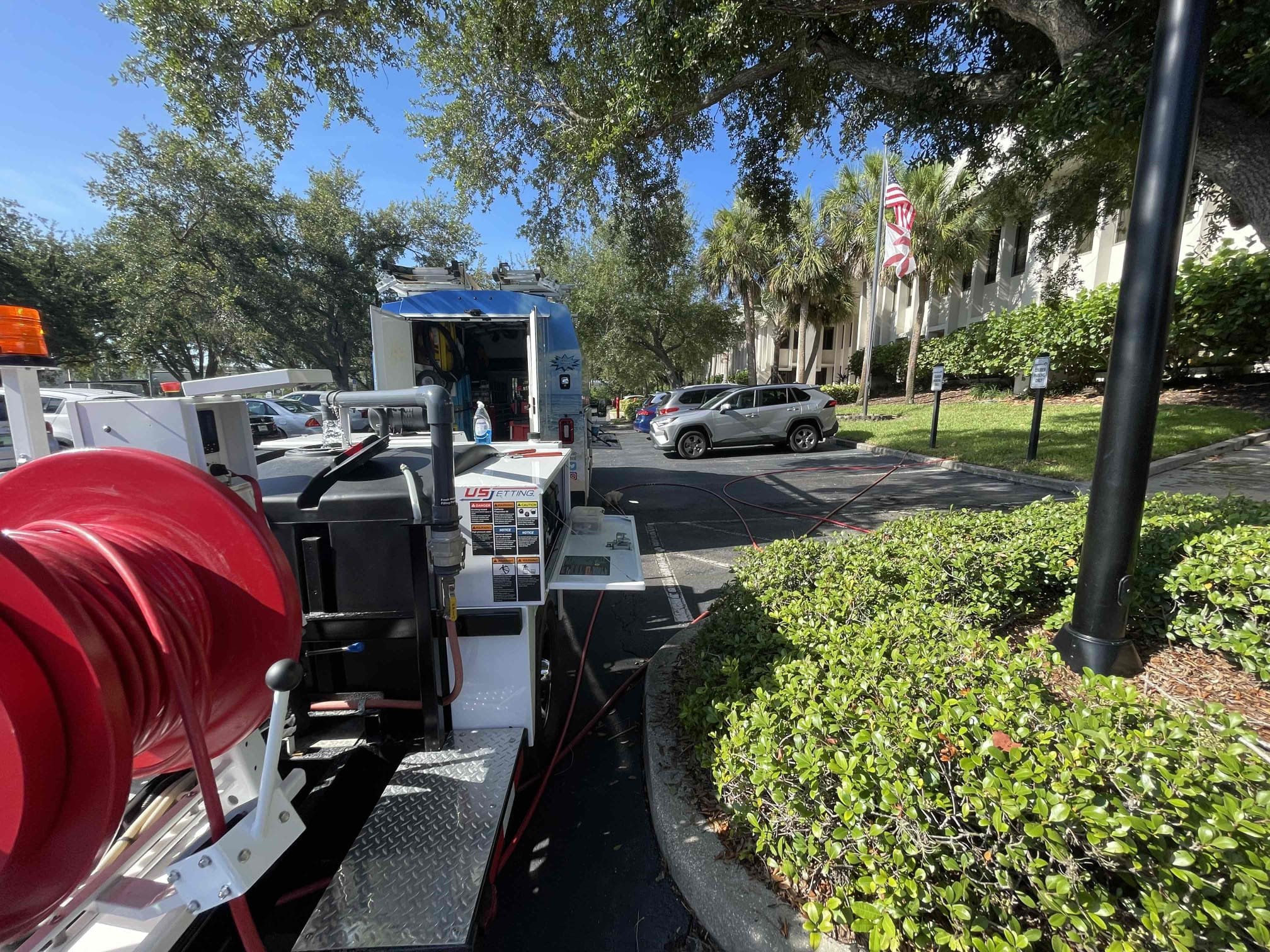
Before the visit, we’ll need to discuss access to the line. That may include a cleanout or manhole and space outside for equipment. Knowing about parking restrictions, staff entrances and restroom use helps everyone prepare for the work.
The method also needs to fit the piping and the problem. Hydro jetting, cabling and further diagnostic work aren’t interchangeable. We’ll discuss the proposed approach as part of assessing the job.
Ask What the Findings Mean
After service, it’s helpful to understand what was checked as well as what was cleaned. A flow check tells us how the line is operating at that time. It doesn’t establish the condition of every section of pipe or rule out a future blockage.
Ask us what we observed and whether anything needs a closer look. Additional cleaning, a camera inspection or a repair may need its own estimate. For recurring service, the written plan should explain what each visit includes.
Questions for your commercial drain maintenance plan
A few questions can make the maintenance conversation much more useful:
- Which main lines, restroom drains or floor drains are included?
- Which access points and work areas must be available?
- What operational interruptions should the property prepare for?
- What findings would lead to a separate estimate?
- What information will help decide whether another maintenance visit is appropriate?
The right schedule depends on the building’s needs and service history. Rather than choosing an interval just because another property uses it, talk through the problems you’ve experienced and what the maintenance is intended to address.
Contact Gulfview Plumbing & Water Treatment to discuss commercial drain maintenance for your property. We’ll help you define the work and prepare for the visit.