Water Heater Sediment: What We Found in a Clearwater Tank
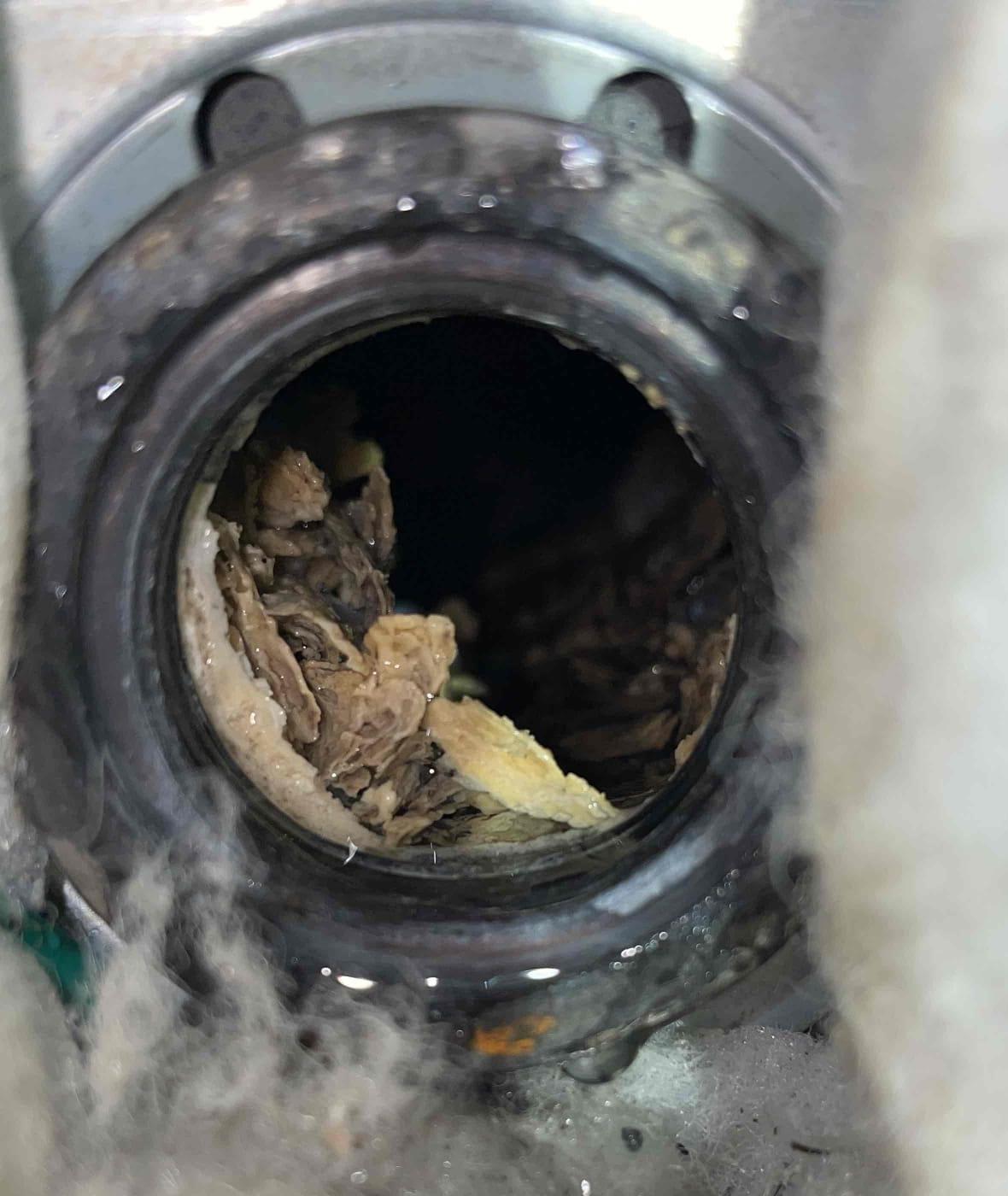
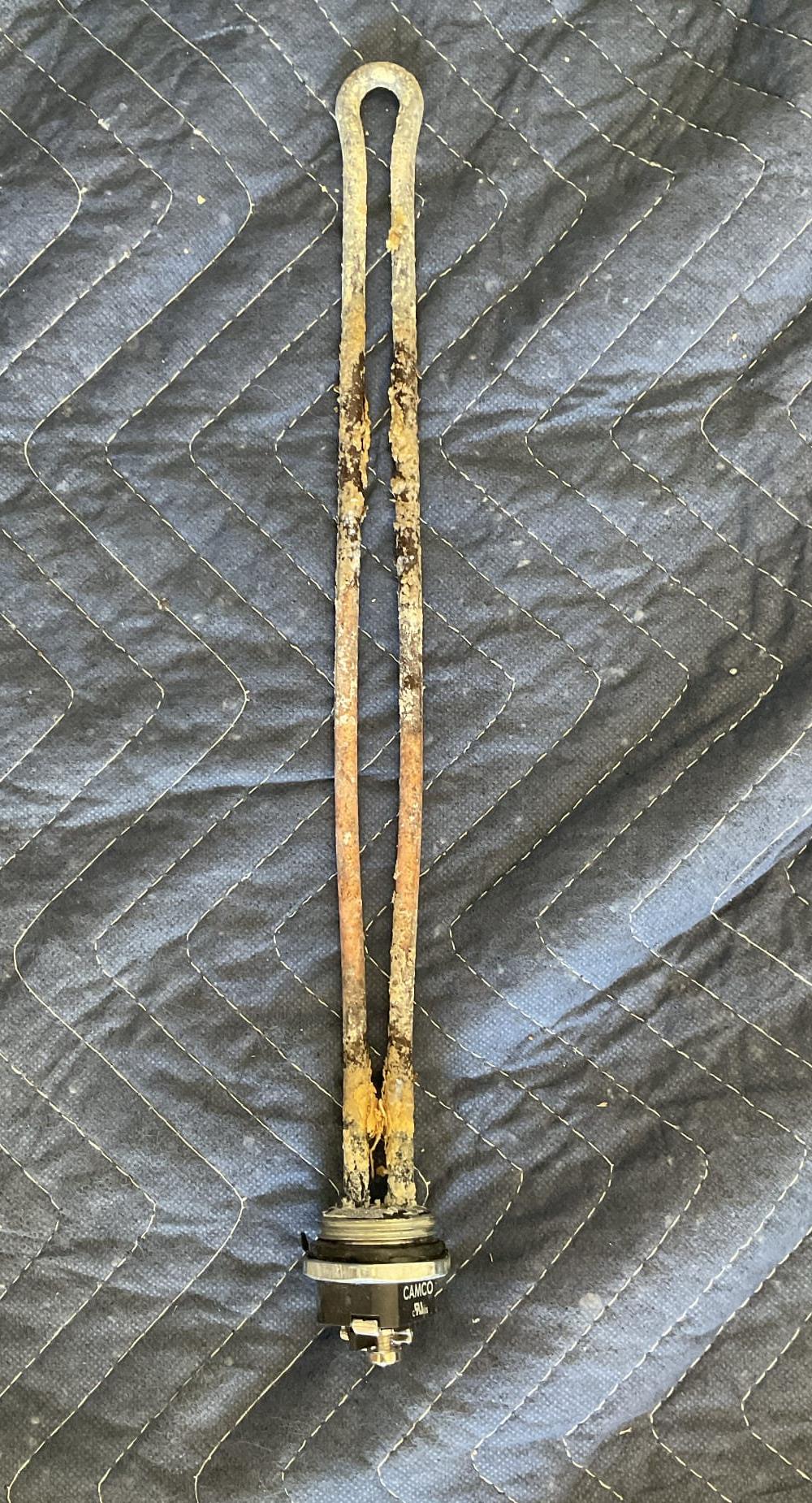
Water heater sediment is easy to overlook when the tank looks ordinary from the outside. You can wipe hard-water spots from a faucet, but buildup inside a heater is much harder to see. During this Clearwater maintenance visit, we removed trapped sediment from the tank and replaced a coated, warped heating element. The material we brought out made the condition of the heater easier to explain—and helped frame a conversation about what to do next.
For this homeowner, the visit included both maintenance and a repair. We also recommended considering a replacement heater and water treatment based on the equipment’s age, condition and scale buildup. Those were options to consider, not installations completed during this visit.
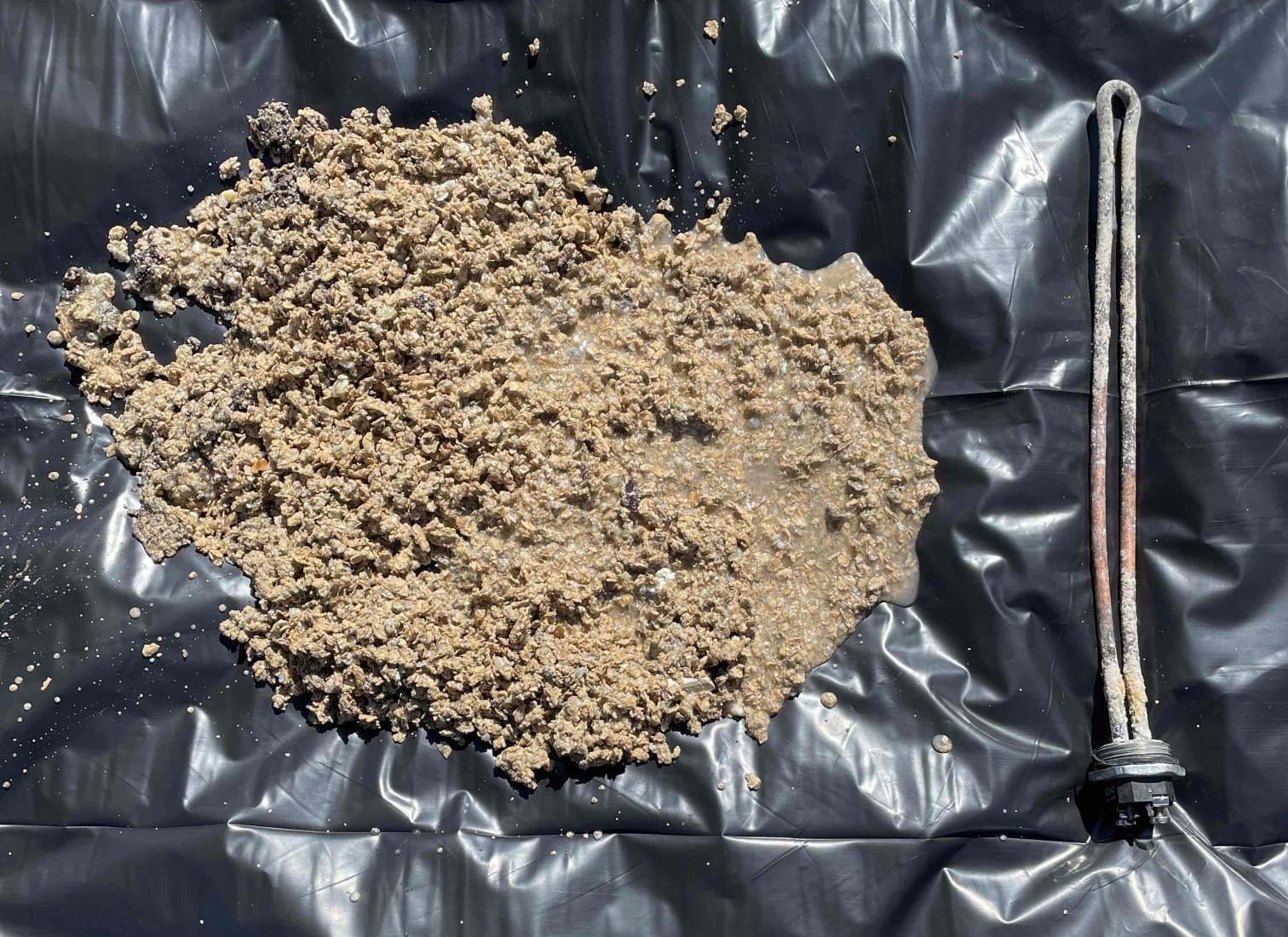
Removing water heater sediment from the tank
To remove sediment from an electric water heater like this one, access matters. Our work began with draining and flushing the heater. We then removed the lower heating element so we could reach sediment that remained inside and vacuum it out. This was more involved than opening the drain and letting water run through it.
That distinction matters when you’re comparing maintenance options. The right approach depends on the heater and what we find. We can explain what a proposed water heater service includes before work starts, including whether an element or another part needs attention.
Why hard water can leave buildup behind
Hard water contains dissolved minerals, particularly calcium and magnesium. Heating it can cause solid deposits to form. The U.S. Geological Survey explains how this scale can affect water-heating equipment. It’s one reason a heater can deserve attention even when the outside looks ordinary.
The coated element in these job photos gives you a close-up of that hidden buildup. It also shows why a water-quality conversation can belong alongside a heater repair. Removing water heater sediment addresses material already inside; choosing suitable treatment is a separate decision about the water coming into the home.
What we repaired—and why we discussed replacement
During the visit, we replaced the warped, coated element as a courtesy. After the maintenance and repair, we refilled the heater and checked for leaks and hot-water operation. Hot water was verified, with no leaks found during those checks.
Getting a heater working and deciding how much more to invest in it are related questions, but they aren’t always answered the same way. Here, its age and condition still made replacement worth discussing. Removing sediment doesn’t make an older tank new again.
If you’re facing a similar choice, we can talk through the repair needed now, the condition of the existing heater and replacement options that fit your space and hot-water needs. You shouldn’t have to choose a new heater before you understand what’s happening with the one you own.
Would water treatment help your home?
If hard-water scale or sediment buildup is the concern, we can help you compare water softener options with your household’s needs. If taste, odor or another water concern matters too, tell us about it. Those concerns may call for different equipment; one filter isn’t automatically the answer to every water-quality issue.
Our water treatment services cover both equipment choices and maintenance. We can explain what a proposed system is intended to address, the room it needs and the care it will require. Treatment also doesn’t replace a needed heater repair or reverse damage to an aging tank.
Make maintenance fit the heater you actually have
There isn’t one maintenance answer that fits every home. The equipment instructions, water conditions and service history all matter. Rheem’s hard-water guidance discusses the connection between mineral buildup and heater care. We’ll use the instructions for your particular heater when planning its service.
If you don’t know when it was last flushed, that’s a useful starting point for a conversation—not a reason to put off calling. Let us know if the hot water has changed or you’ve noticed a leak. We can assess the heater and explain whether maintenance, repair or replacement makes sense.
Let’s talk about your hot water
Whether you’re concerned about buildup, a heater that isn’t keeping up, or the cost of another repair, Gulfview can help you compare the next steps. We provide plumbing service in Clearwater and across our service area.
Contact Gulfview about your water heater and tell us what you’ve noticed. We’ll help you plan a visit around the concern.