Rodent Intrusion and Plumbing: Find Hidden Entry Points and Damage
You hear scratching behind a wall. Then a damp patch appears, or an unpleasant smell keeps returning near the bathroom. Your pest company may already be working on the rodent problem, but there’s another question worth asking: has the plumbing become part of the rodent intrusion problem?
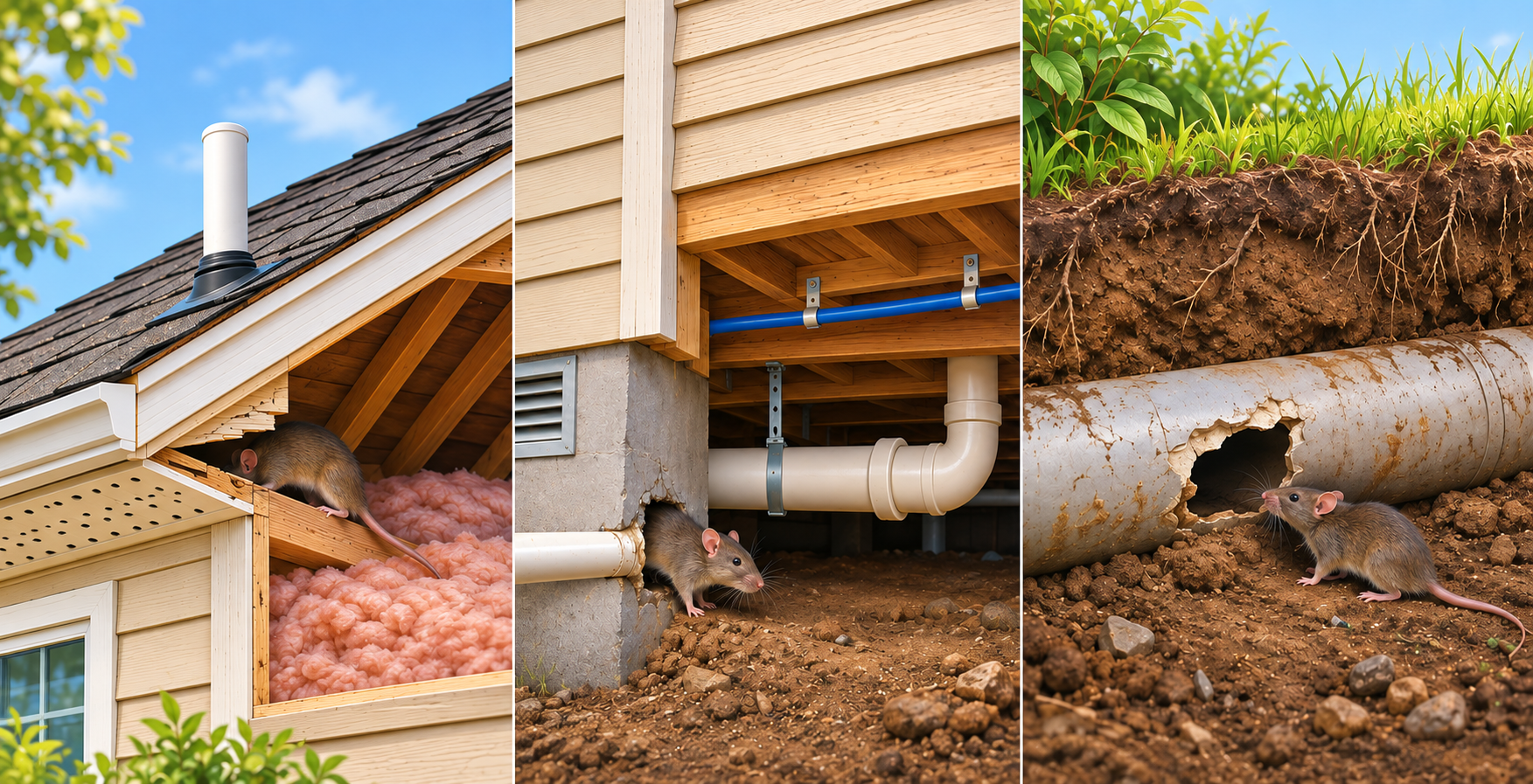
Sometimes rats reach a building through its drainage system. Other times, they get in through a roof, wall or crawlspace opening and damage plumbing after they’re inside. Those situations can leave you with similar symptoms, but they need different repairs. Finding a chewed pipe doesn’t automatically tell us how the animal entered the property.
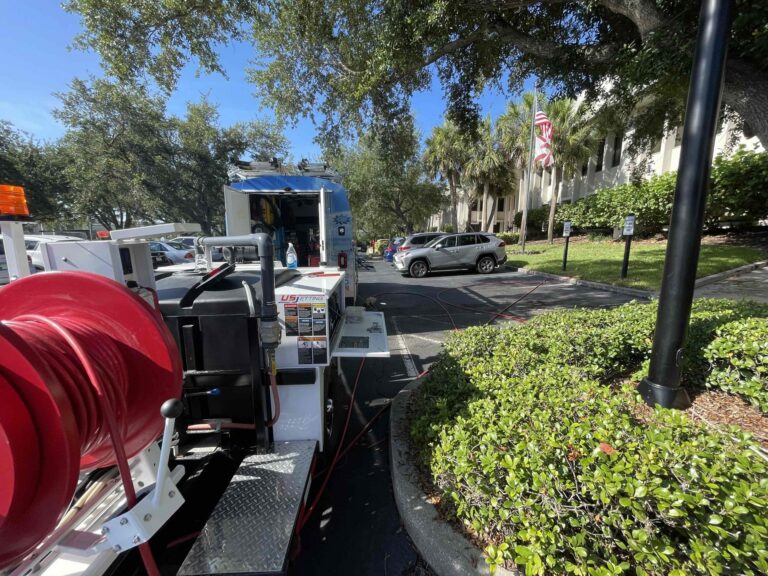
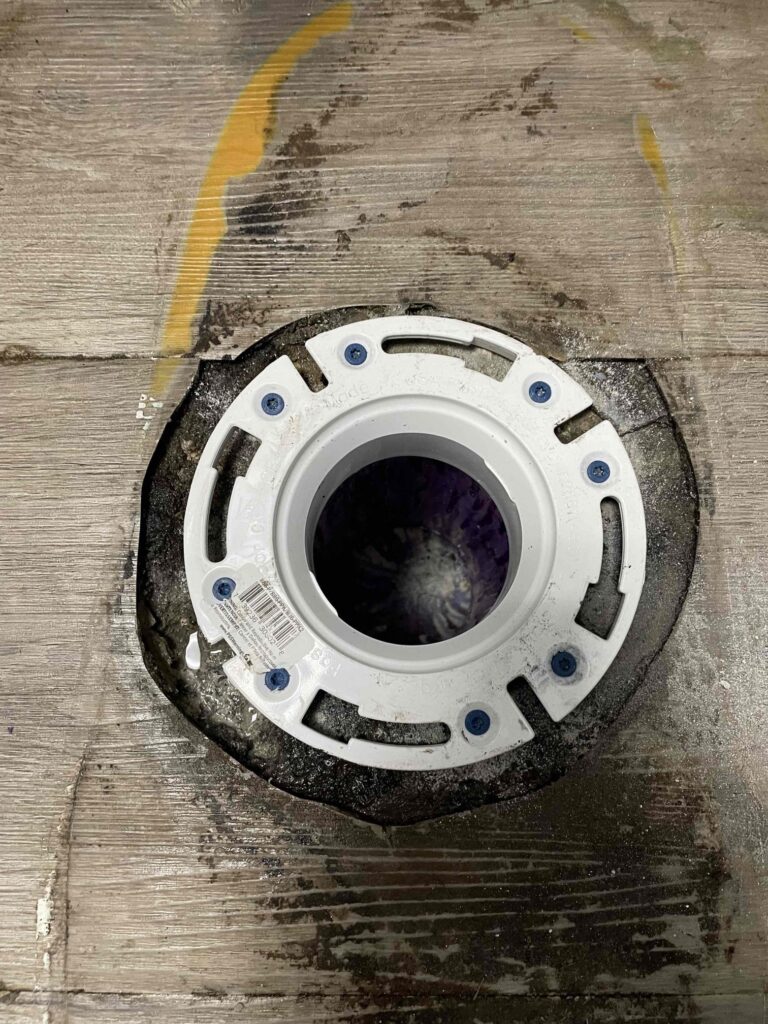
We’ve seen both sides of this problem at Gulfview Plumbing & Water Treatment: rodents chewing through kitchen drain couplings, and recurring intrusion that calls for a sewer camera, smoke testing and a closer look at roof vents. The original Gulfview job photos below show what that work looks like—and why finding the cause matters as much as fixing the leak.
If you’re a homeowner, property manager, business owner or pest professional, we can help connect the plumbing findings with what’s happening in the building. We’ll explain the damage, the repair choices and which entry concerns need further investigation, so you can make a decision with useful information in hand.
Rats are by far the most common animals we encounter in this kind of investigation, but they aren’t the only possibility. Squirrels, opossums and other small animals can also find their way into attics, crawlspaces or wall cavities. The animal and its route matter: signs behind a bathtub don’t automatically mean it came through the sewer. We work with your pest or wildlife professional to connect those findings with the plumbing that needs attention.
How rodent intrusion and plumbing problems become connected
They may enter through a sewer or drain opening
Rats can travel through sewer systems. Broken drains, open connections and other defects can create routes that deserve investigation. Public-health guidance also recognizes that rats can sometimes reach a toilet through the sewer. That possibility is real, but it isn’t the explanation for every rodent found near a bathroom.
A bathroom may also have openings around pipes where they pass through walls or floors. An animal moving through that surrounding space is taking a different route from one traveling inside the drain. We want to distinguish the two before recommending a sewer repair or an exclusion device.
They may damage pipes after entering somewhere else
An attic or crawlspace gives rodents access to more than insulation. Exposed plumbing can also be in their path. Gnawing can damage pipe materials; the Plastics Pipe Institute discusses rodent damage to thermoplastic piping. Choosing a repair therefore means looking beyond the hole in the pipe to the conditions around it.
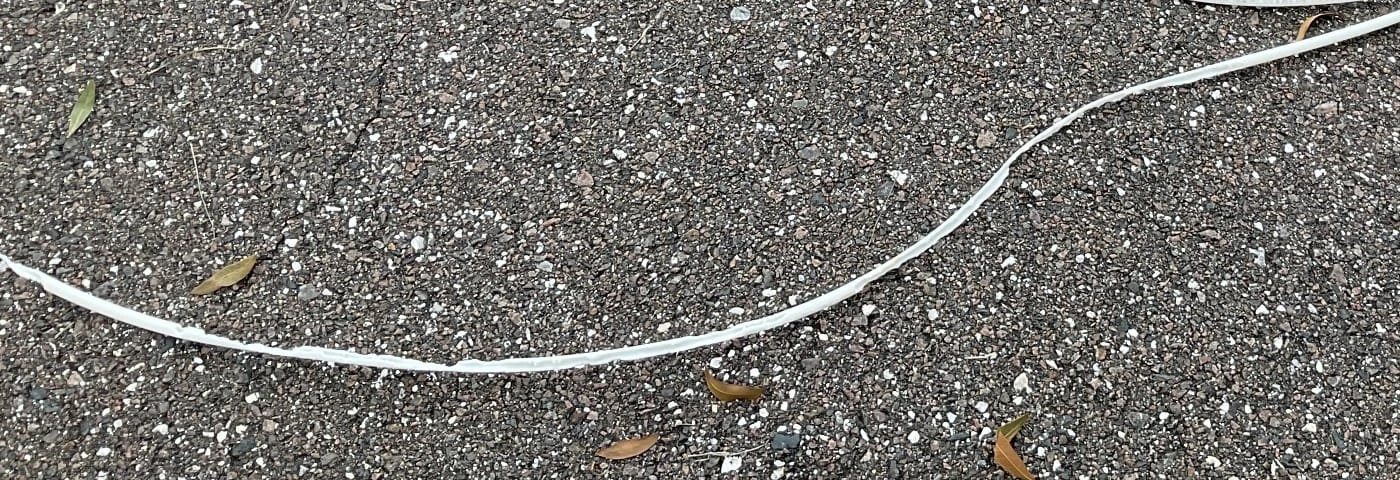
A damaged water line may leak whenever it is under pressure. A damaged drain may leak when a connected fixture is used. A break in vent piping may create an odor concern without leaving the same obvious puddle. Where the pipe sits and what it carries help determine which clues matter.
Replacing one damaged section can address that plumbing defect. If rodents can still enter the surrounding space, however, the pest and building-entry problem needs attention too. This is where coordination between your plumber and pest professional is especially useful.
Two chewed drain couplings beneath a Clearwater home
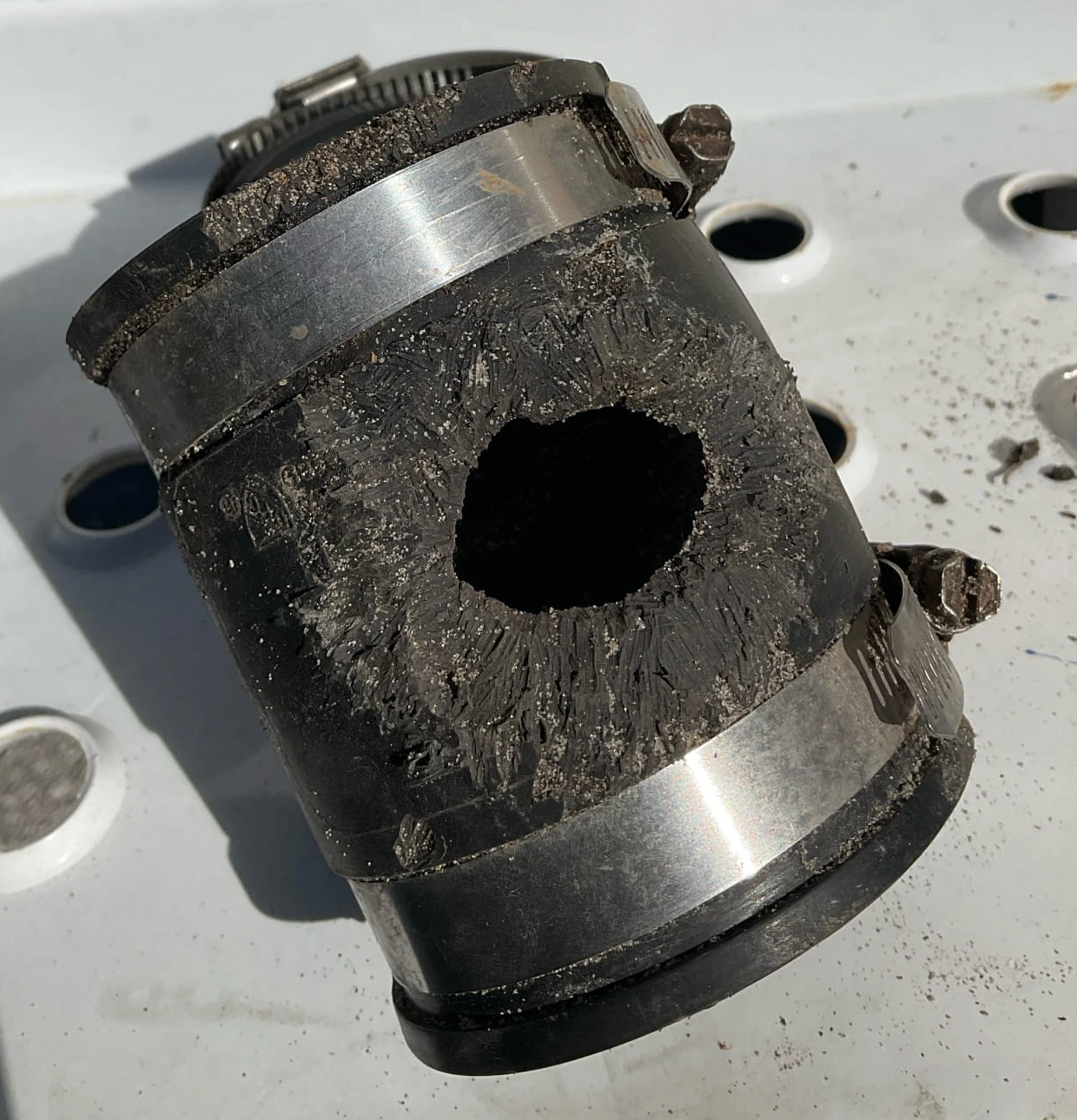
At a Clearwater home, an exterminator noticed a leak beneath the house and suspected rodents had damaged the plumbing. We entered the crawlspace and found bite marks on two rubber couplings connecting the 2-inch kitchen drain. Both couplings were damaged and leaking.
We removed the damaged couplings, installed steel-banded replacements and added support beneath the drain. The remaining accessible plumbing appeared to be in good condition. Our technician found no indication that rodents were entering through the sewer piping at that visit.
That distinction matters for your home, too. Rodents can damage a drain after reaching the crawlspace through another opening. Repairing the leak and having the pest professional investigate the building’s entry points address different parts of the same problem.
Clues worth telling your plumber and pest company
You don’t need to diagnose the problem before calling. Tell us what changed: a new water stain, dripping that follows a shower, a sewer smell in a particular room, or damage your pest technician noticed near piping. If you have a photo taken safely from an accessible area, it can help us plan the visit.
Visible tooth-like marks or missing material deserve a closer look, but a scratch alone isn’t proof of rodent damage. Tools, abrasion, age and other conditions can leave marks too. Likewise, a sewer odor can come from a dry trap, a failed seal or another plumbing defect without any rodent involvement. We’ll keep those possibilities open until the evidence supports a diagnosis.
If water is actively leaking, use a known, safely accessible water shutoff and call for help. Avoid entering a contaminated crawlspace or opening a wet electrical area to investigate. If an unfamiliar odor makes you suspect a gas leak, leave the area and contact the gas utility or emergency services from a safe place; don’t wait for a plumbing smoke test.
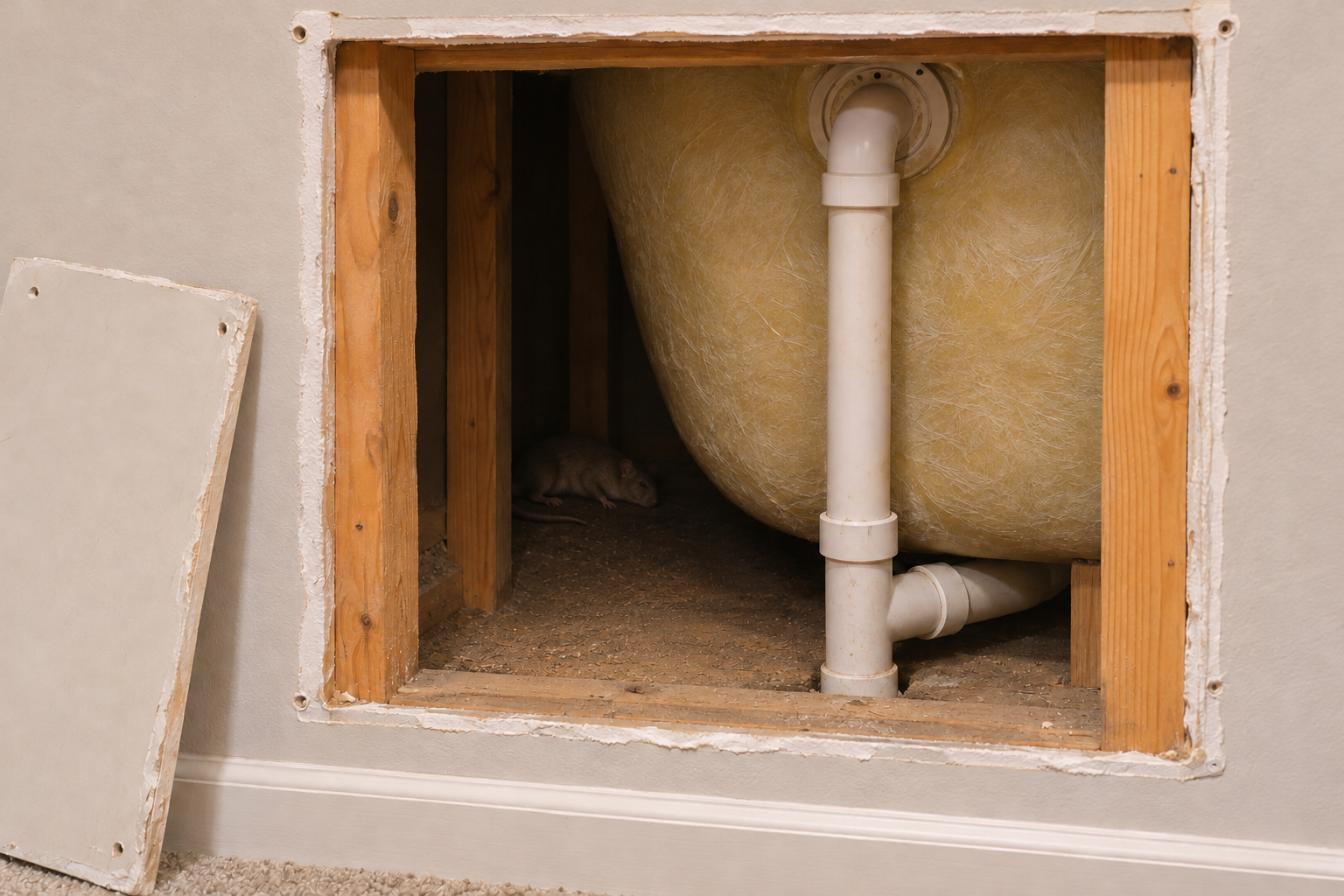
Crawlspace and attic investigations: looking beyond the sewer line
If your pest technician finds activity beneath the house or above the ceiling, tell us. Gulfview performs crawlspace and attic plumbing investigations to look for damaged water lines, leaking drains and disconnected or damaged vent piping in safely accessible areas. A camera view inside the sewer is useful, but it cannot show us everything happening around those pipes.
In a crawlspace, we can look directly at accessible drain connections, water piping and the area around a reported leak. The two chewed kitchen-drain couplings at the Clearwater home above are a real example of why getting beneath the house mattered. Seeing the damage let us address the leaking connections rather than assume the problem was farther down the sewer.
In an attic, a plumbing investigation can help trace a leak above the ceiling or check exposed vent piping when odors or rodent activity raise concerns. We look at the plumbing findings alongside the pest company’s observations. A damaged pipe, an opening around a pipe and a separate roof entry point may need different work—and sometimes different trades.
You don’t need to crawl under the house or climb into the attic for us. Let us know where the access is and share any photos your pest professional already has. We’ll discuss safe access, explain what we can inspect and let you know if a concealed area needs another approach. Our goal is to help you understand what needs repairing and where further rodent intrusion investigation is worthwhile.
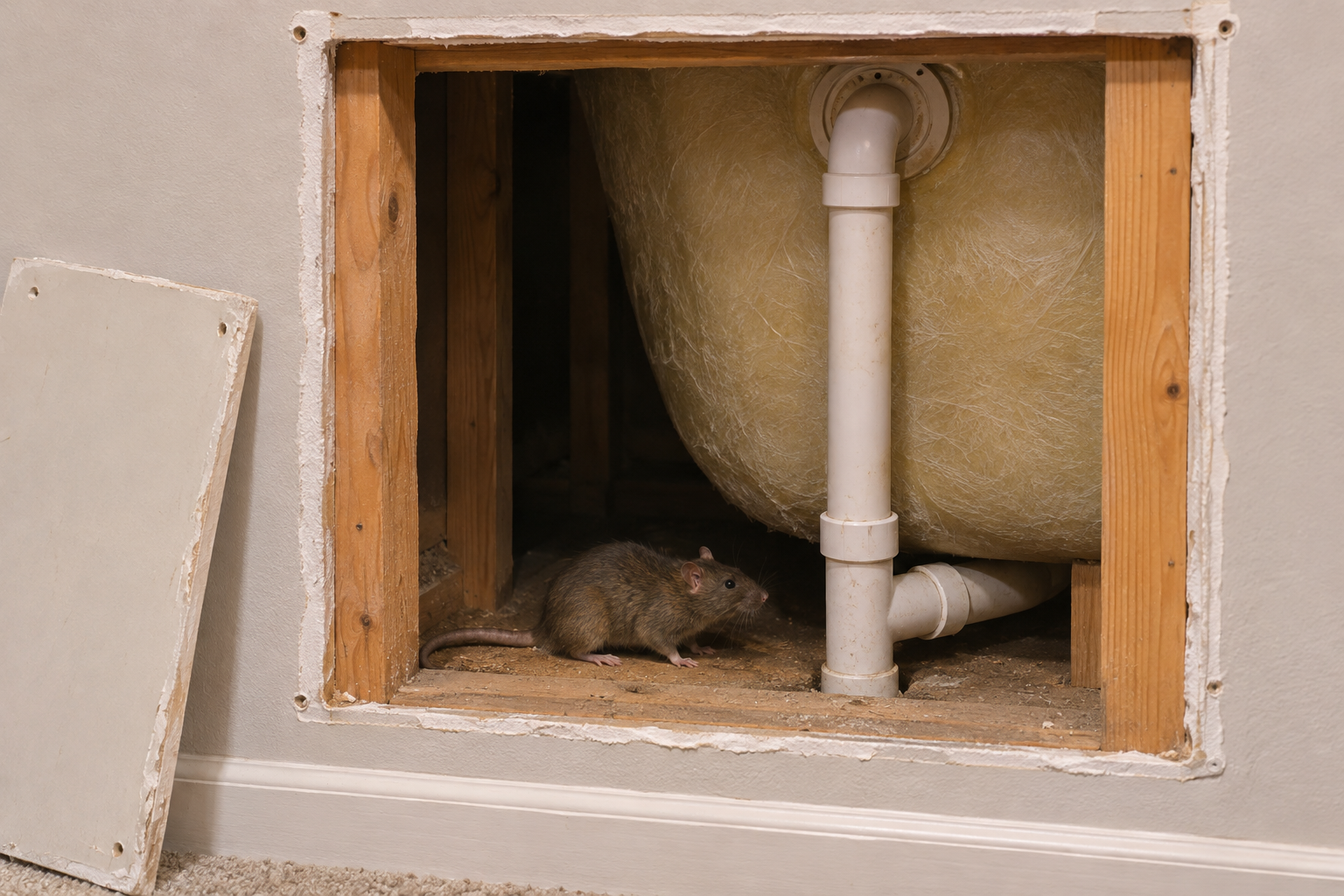
What a sewer camera inspection can reveal
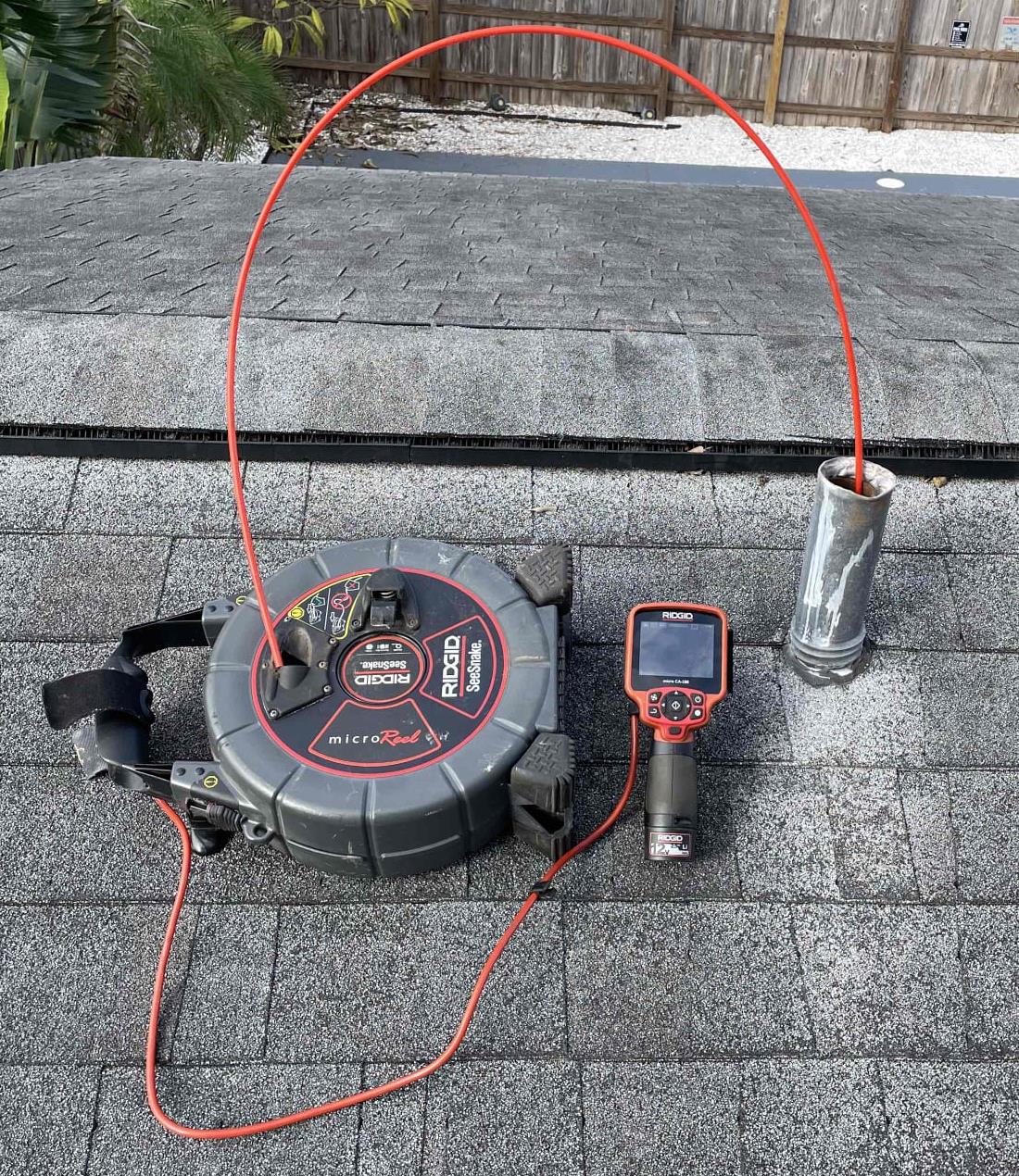
A sewer camera inspection gives us a view inside accessible drain piping. It can help identify visible breaks, separated connections, obstructions and other conditions that might explain recurring drainage problems or warrant further investigation.
The useful question is not simply “Did the camera see a rat?” It’s whether the line has a defect that needs repair and whether that finding fits the concern at your property. Where equipment and access permit, locating can help relate a finding inside the line to an area outside it.
A camera cannot see through the pipe wall into every surrounding cavity. Standing water, buildup, turns and access limitations can also restrict the view. If the accessible sewer looks sound but there are signs of damage in the attic, we still need to consider that separate area. One inspection method doesn’t answer every question.
How smoke testing helps investigate hidden openings
Some drain and vent openings are difficult to find by looking alone. A controlled plumbing smoke test introduces test smoke into the system so escaping smoke can help reveal a route that needs closer inspection. It can be useful when there’s a persistent sewer odor or hidden vent defect.
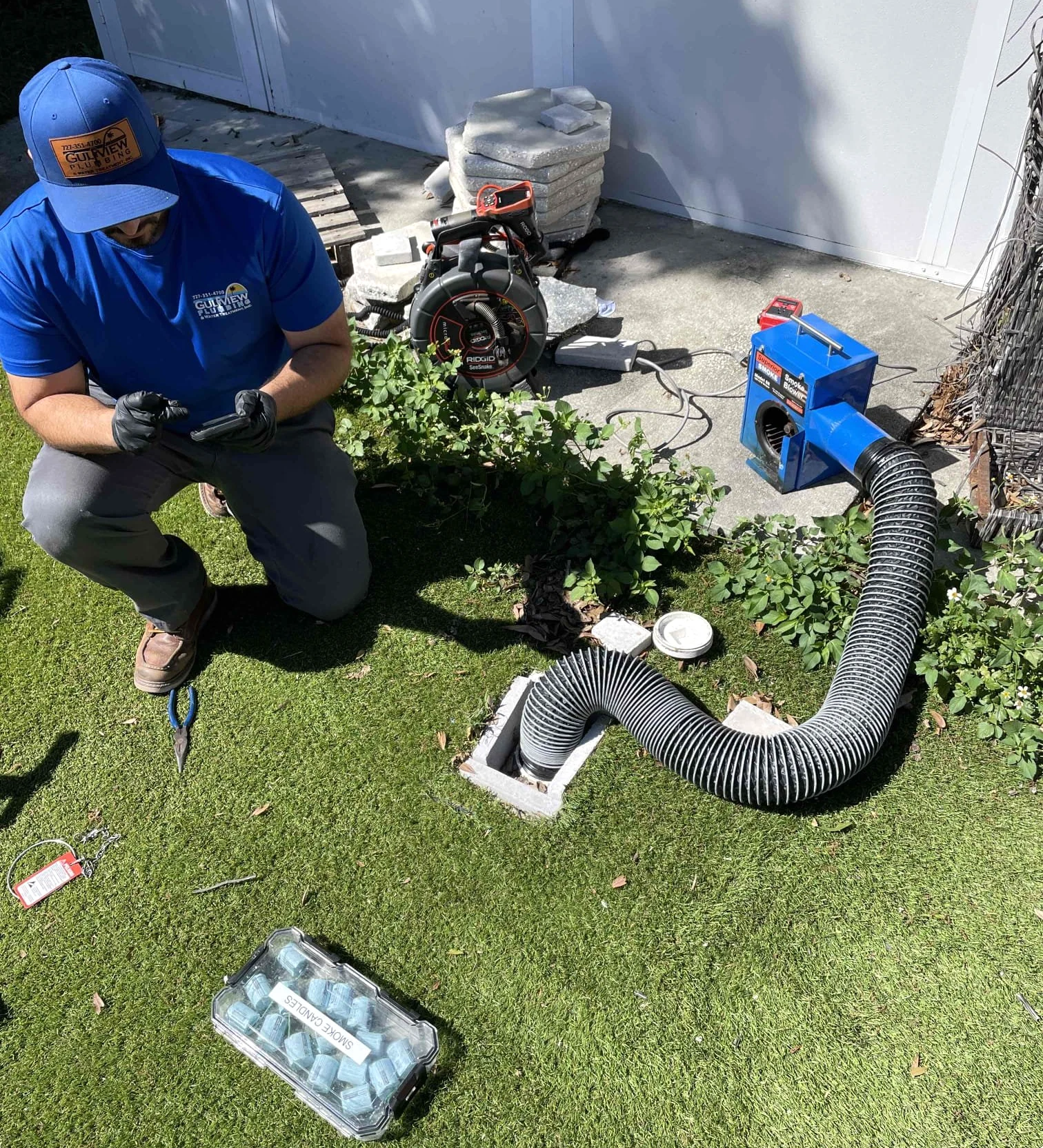
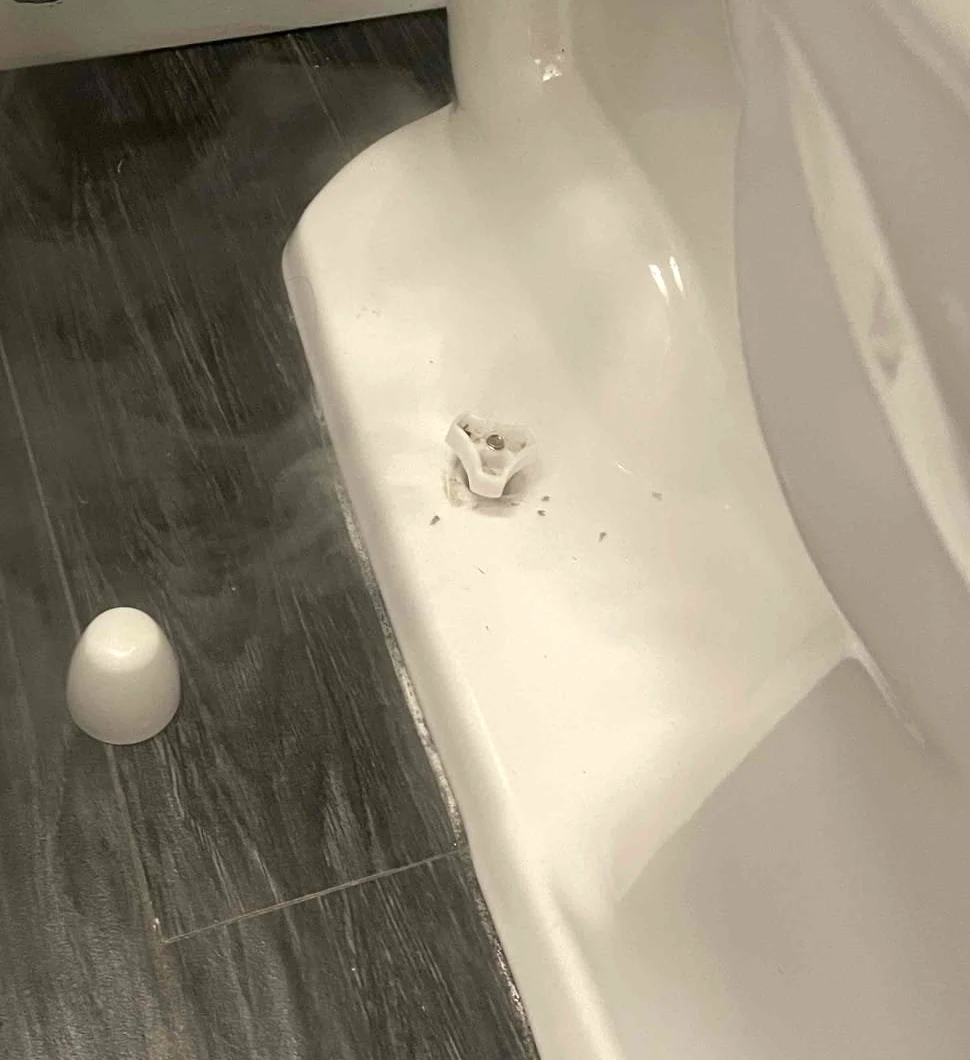
Smoke emerging from a normal roof vent is different from smoke appearing at an unexpected indoor opening. The location matters, and so does the condition of traps and fixture connections. Smoke can show an air path; it doesn’t by itself prove that a rodent used that path or that an opening is large enough for one.
We can discuss whether smoke testing, a camera inspection or a direct inspection is the better starting point. Sometimes the most helpful answer comes from combining the findings. Our plumbing diagnostic services and drain and sewer services explain related options.
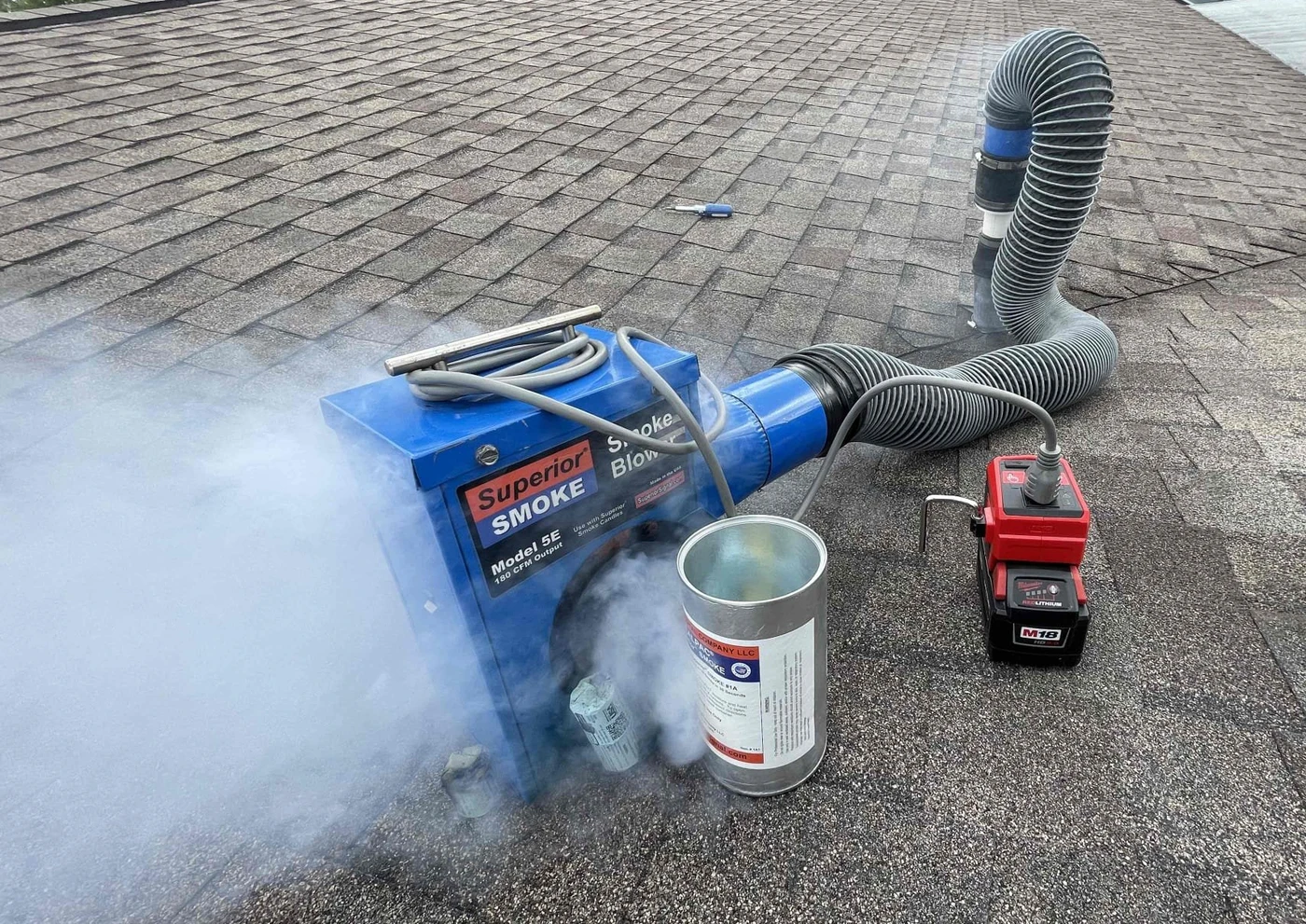
Before a test, let us know about building occupancy and any respiratory sensitivities so preparation can be discussed. In a business or multi-unit property, arranging access and notifying the people involved helps avoid confusion when testing begins.
When pest control points to the plumbing: a St. Petersburg investigation
At one St. Petersburg home, the family had already brought in pest and wildlife professionals to address recurring rodent intrusion. After several access points were sealed, both recommended checking the plumbing for possible sewer entry routes.
We inspected the sewer with a camera, performed smoke testing and checked accessible plumbing around the property. The camera revealed a substantial crack, approximately 10 feet long, in the original cast-iron sewer beneath a rear bedroom addition. It also showed scale buildup and standing water elsewhere along the inspected route. During smoke testing, smoke emerged from beneath a shower curb—another area that needed closer attention.
We replaced a broken cleanout cap and added wire mesh at a roof vent during that visit. The larger defects were addressed in repair proposals. Those findings gave the family specific plumbing issues to discuss alongside the pest company’s work; they did not establish that every opening had been used by rodents.
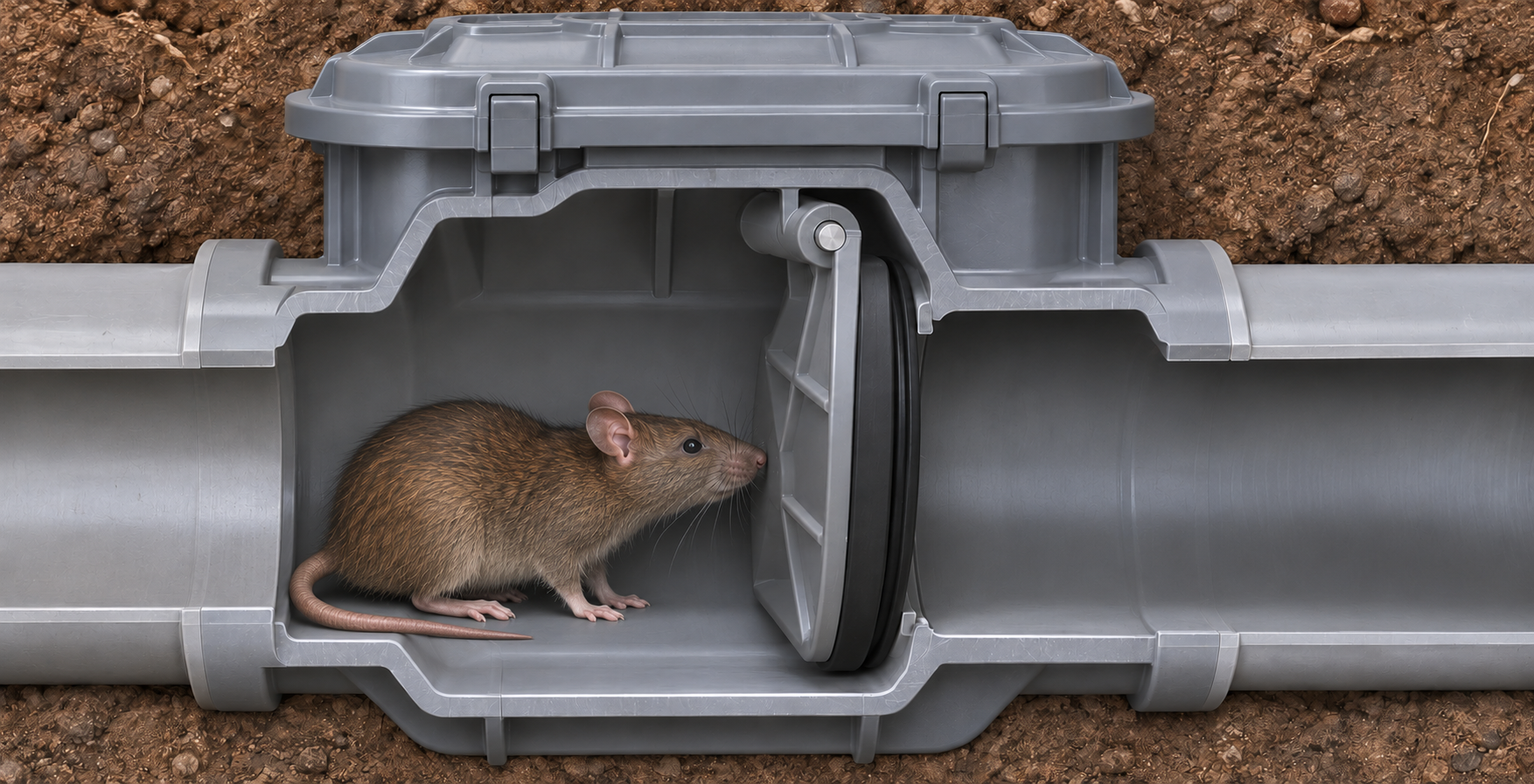
Can a backwater valve help keep rats from coming through the sewer?
If the investigation points to entry through the sewer pipe, ask us about a suitable backwater valve or a purpose-designed rodent-exclusion device. A device with an appropriate barrier can be part of the solution, but its design and location matter.
A backwater valve’s main job is to help prevent sewage from flowing backward into the protected plumbing. It should not automatically be treated as a rat barrier. Some valves are normally open and close in response to a backup; that is different from a device intended to resist an animal moving upstream. We need to check the specific product’s intended use rather than make a promise based on the words “backwater valve.”
We’ll consider the pipe layout, access, maintenance needs and applicable installation requirements before recommending an option. A valve also won’t repair a broken pipe on the building side of it or stop rodents entering through an unrelated roof or wall opening.
Any installed device needs to remain accessible for inspection and service. Debris or a damaged moving part can affect operation. If you already have a valve, tell us where it is and whether you have its model information. Reviewing the existing installation may be more useful than adding another device without understanding the first.
What about metal screening over plumbing roof vents?
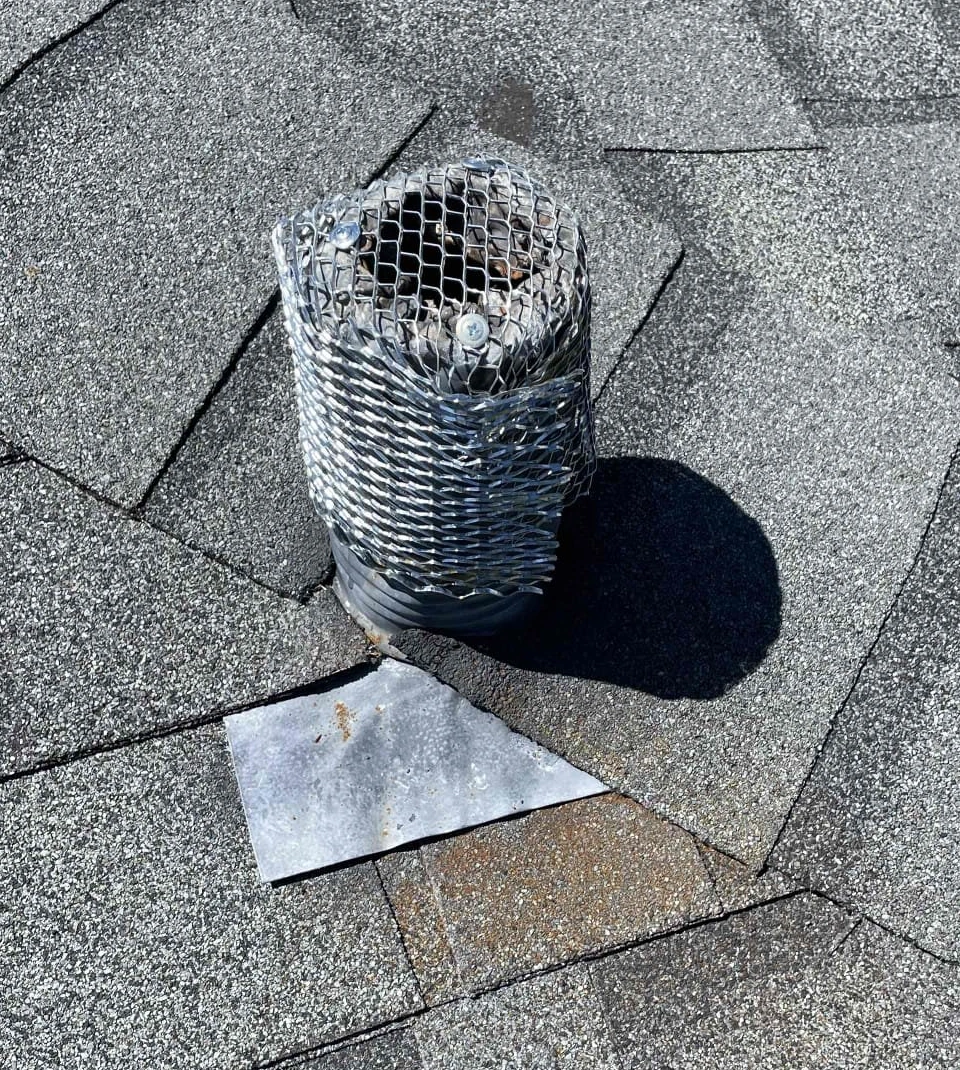
Open plumbing roof vents are another detail worth reviewing when roof access is suspected. Properly selected metal screening or a suitable protective vent guard may help exclude rodents while allowing the vent to do its job. This needs to be planned as a plumbing detail, not simply covered with whatever mesh is available.
Your vent system needs an unobstructed air path. Fine insect screen, loose material pushed into the pipe, or a solid cap can create a different problem. A suitable assembly must preserve required venting, withstand the exposure and be secured so it cannot fall into the line. Mesh selection, corrosion resistance, clear opening area and future access all deserve consideration.
We can assess the vent termination and discuss an appropriate, locally acceptable option. Keeping it inspectable matters too: even a properly chosen guard can need attention if debris collects on it. Don’t climb onto the roof to fit a screen yourself; arrange safe access with the professionals involved.
Protecting the vent opening is only one part of the investigation. Gaps beside the pipe, damaged flashing or other roof openings may need a roofer or pest-exclusion professional as well.
Solving rodent intrusion together: your plumber and pest company
Your pest professional may find activity in a wall cavity while we find a damaged drain nearby. Sharing those observations—with your permission—helps connect the evidence without assuming that one finding explains everything.
For the plumbing work, we can discuss the damaged section, access needed and repair choices. Your pest professional can address activity and exclusion. A building or restoration contractor may be needed for affected finishes or cleanup. Agreeing on the sequence helps avoid closing a wall before the underlying concerns have been addressed.
If you’re a pest company referring a customer, tell us where you found activity, what plumbing damage is visible and which areas are accessible. Existing photos or inspection notes can help us prepare. We’ll keep the plumbing findings specific so the customer understands what has been established and what still needs investigation.
For property managers, businesses and multi-unit buildings
A complaint from one tenant may involve piping shared with another space. Before arranging access, it helps to know which rooms are affected, whether neighboring units have similar symptoms and who can approve work. A recurring odor in a business can also affect staff and customers even when no leak is visible.
We can discuss access, the expected diagnostic scope and whether the work may interrupt fixture use. Your team can coordinate tenant notices and the pest contractor’s visit around that plan. Where records are available, previous camera footage and repair history may help explain what has already been investigated.
For food-service or other regulated premises, involve the appropriate pest and sanitation professionals promptly. Plumbing repair is one part of restoring the space; it does not replace the business’s cleanup and operating responsibilities. Explore our commercial plumbing services for related building needs.
Repair the damage, then reduce the chance of a repeat
The right plumbing repair depends on the material, location and extent of the damage. A localized defect may call for a targeted repair. Damage in several places may justify a wider inspection and a discussion about water-line replacement or rerouting, or sewer-line repair, depending on which piping is affected. We’ll explain the accessible findings and options before you decide.
At the same time, arrange proper exclusion of building openings and address the conditions supporting rodent activity. The CDC’s rodent-exclusion guidance highlights gaps around plumbing and other utility penetrations. Closing a gap around a pipe is different from plugging the pipe itself; drains and vents must retain their intended function.
If droppings or nesting material are present, avoid sweeping or vacuuming them dry. Follow CDC cleanup guidance and use appropriate professional help for extensive contamination. There’s no need to disturb that material to get a photo for us.
What will the inspection or repair cost?
There isn’t one price for every rodent-related plumbing problem. Looking inside an accessible sewer, investigating a hidden vent opening and replacing a damaged water line involve different work. Access, the method needed and the repair scope affect the estimate.
Our plumbing service pricing gives you a starting point for listed services and their included scope. We can help you understand which service fits your concern and discuss additional access or repair work before it proceeds. A pest-control visit and plumbing diagnosis may be separate services, so ask each provider what its proposal includes.
Get help connecting the clues
A recurring smell, chewed pipe or unexplained leak can leave you wondering whom to call first. Tell Gulfview what you’ve noticed and whether a pest company is already involved. We’ll help you plan the plumbing investigation and understand the next step for your home or building.
Schedule an appointment or call Gulfview to discuss the concern. We’re locally owned and operated, serving Pinellas County homes and businesses.