Blocked Drain at Home: Safe Checks and When to Call
Homeowner guide, updated September 29, 2026. This guide replaces our December 18, 2022 blocked-drain article.
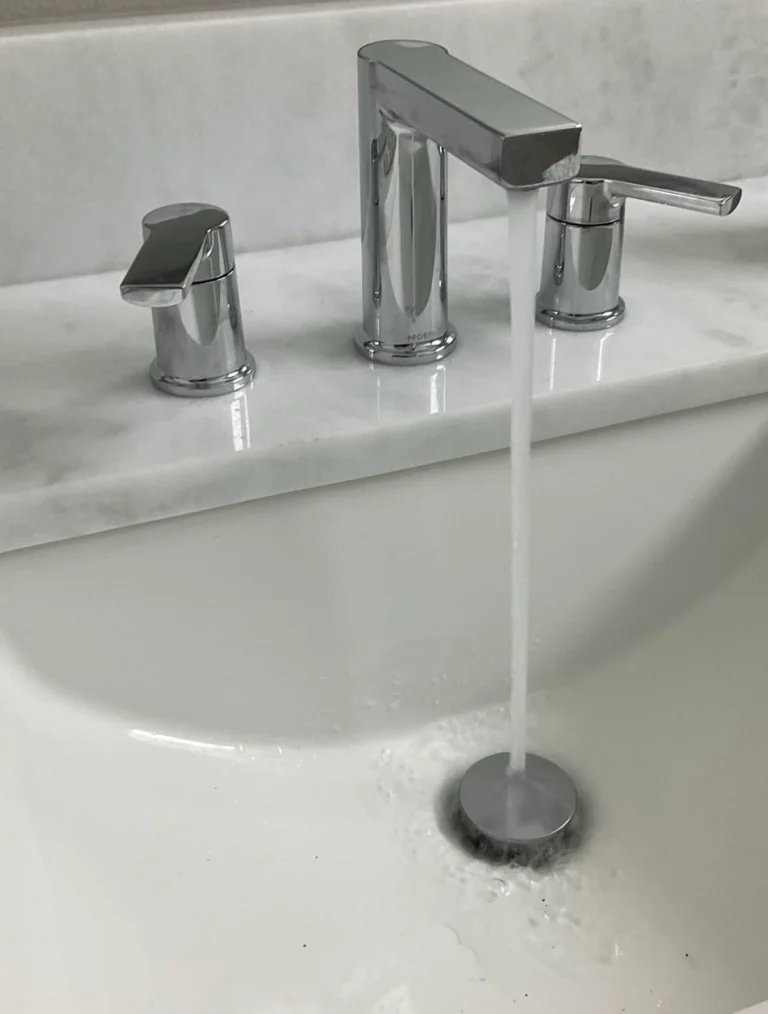
A sink that won’t empty or a toilet that starts backing up can quickly interrupt your day. Before reaching for a bottle of drain cleaner, take a moment to see what’s affected. Is it one fixture, or are several drains acting up? That won’t diagnose the blockage, but it’s helpful information when deciding what to do next.
A blocked drain: what you can check safely
- Stop adding water if the fixture is filling or close to overflowing.
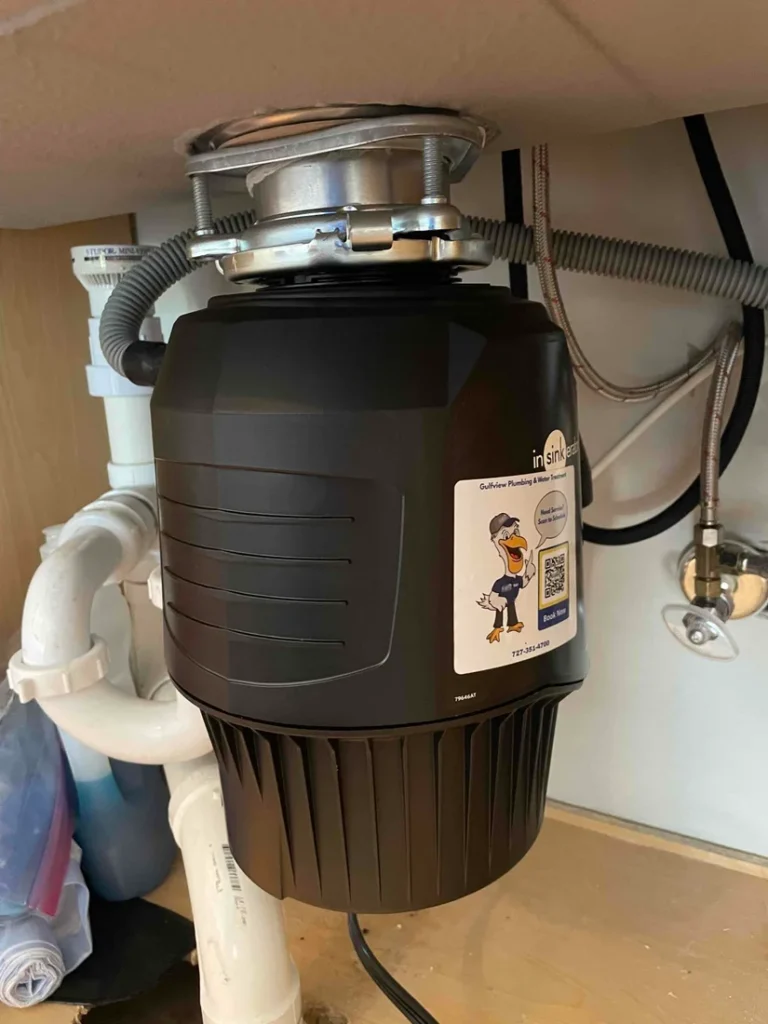
- With the fixture off, remove loose hair or debris from an accessible surface strainer. Wear gloves; do not reach into a garbage disposal or force tools down a drain.
- For a simple single-fixture clog, a suitable hand plunger may help if no drain chemicals have been used and there is no sewage backup. Stop if water leaks, splashes or the problem does not improve.
- Notice whether another fixture gurgles or backs up when water runs. Tell your plumber which fixtures are affected and when it began.
Avoid chemical and tool hazards
Never mix drain-cleaning products. They can cause serious burns, and adding another product can make the situation more dangerous. If you’ve already poured a cleaner down the drain, don’t plunge it, take apart the trap or put a tool into it. Tell your plumber exactly which product you used.
It’s also worth resisting the temptation to push a coat hanger or powered tool farther into the drain. Forcing tools can damage plumbing or cause injury. A blockage that keeps returning needs a closer look, not just another attempt to push through it.
When to call a plumber
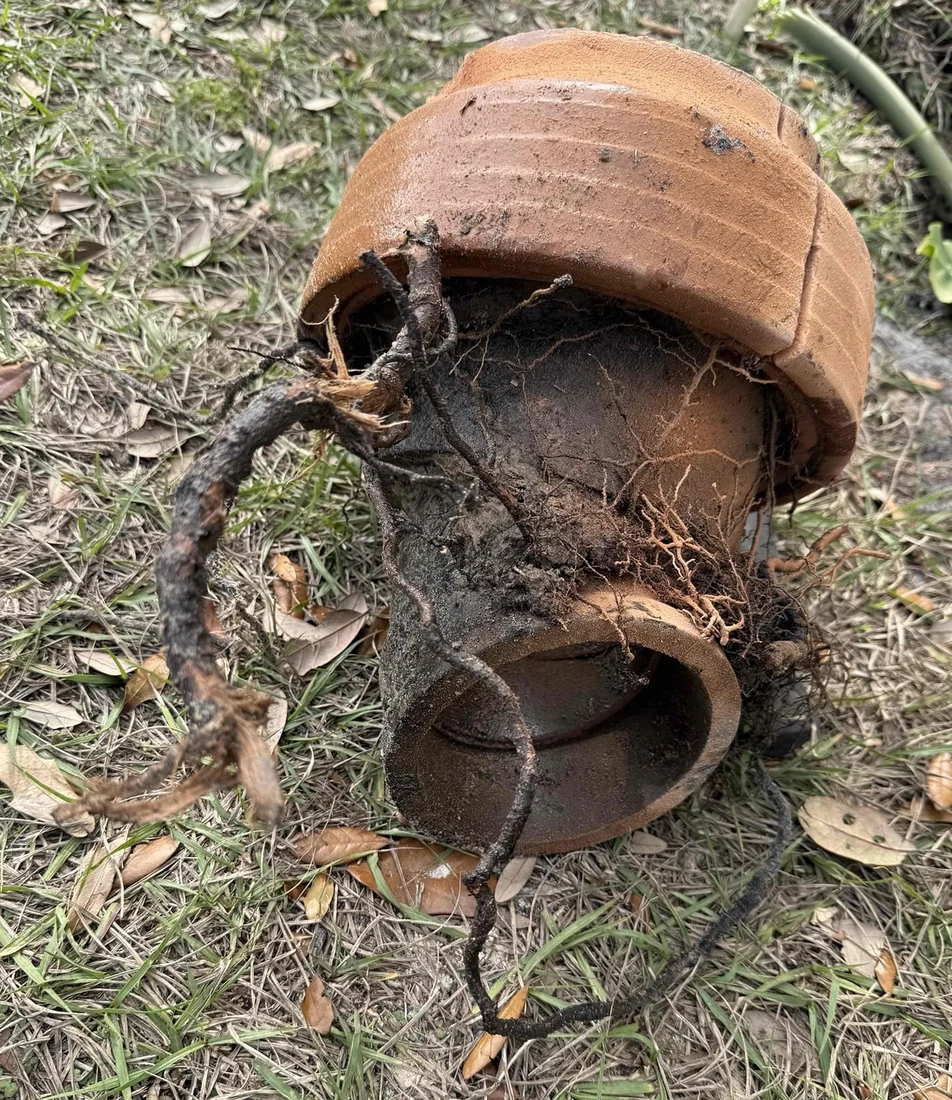
Call for help if several fixtures back up, sewage appears, a cleared drain quickly blocks again or you notice a leak. Stop using the affected fixtures, keep children and pets away from wastewater, and don’t open a cleanout that may be under pressure.
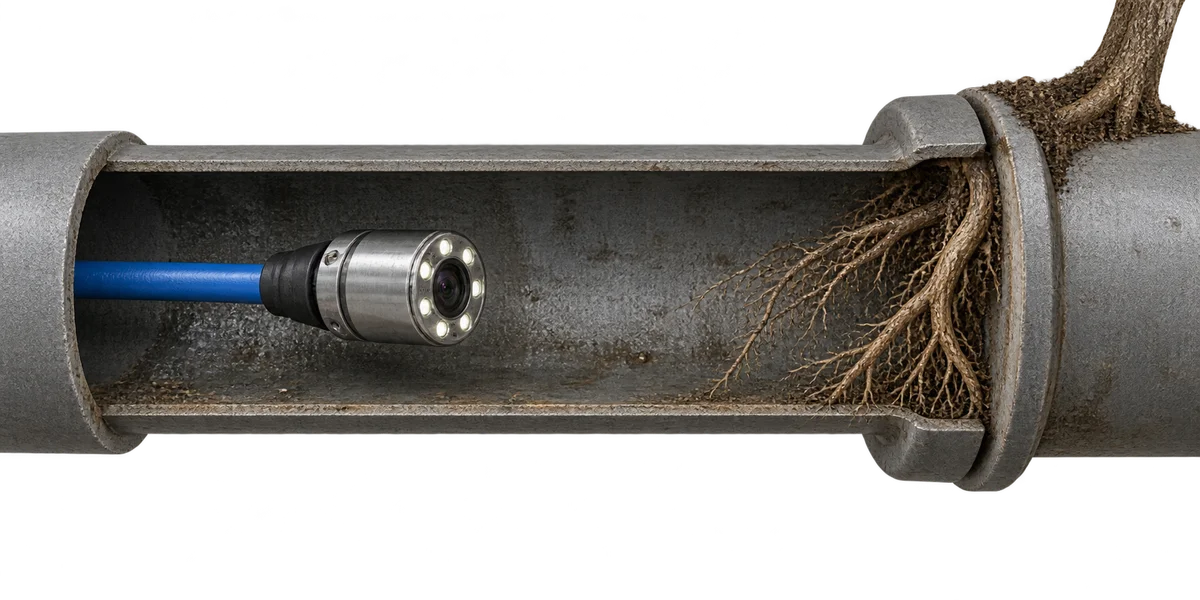
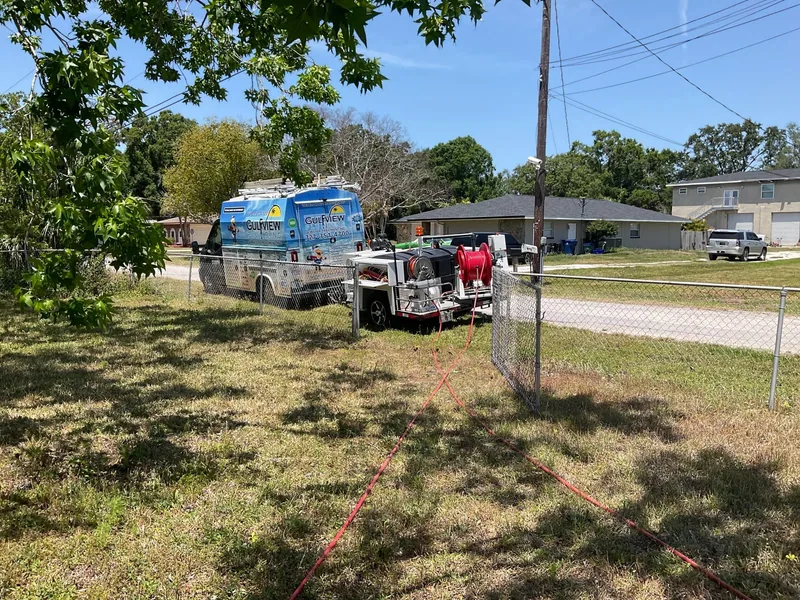
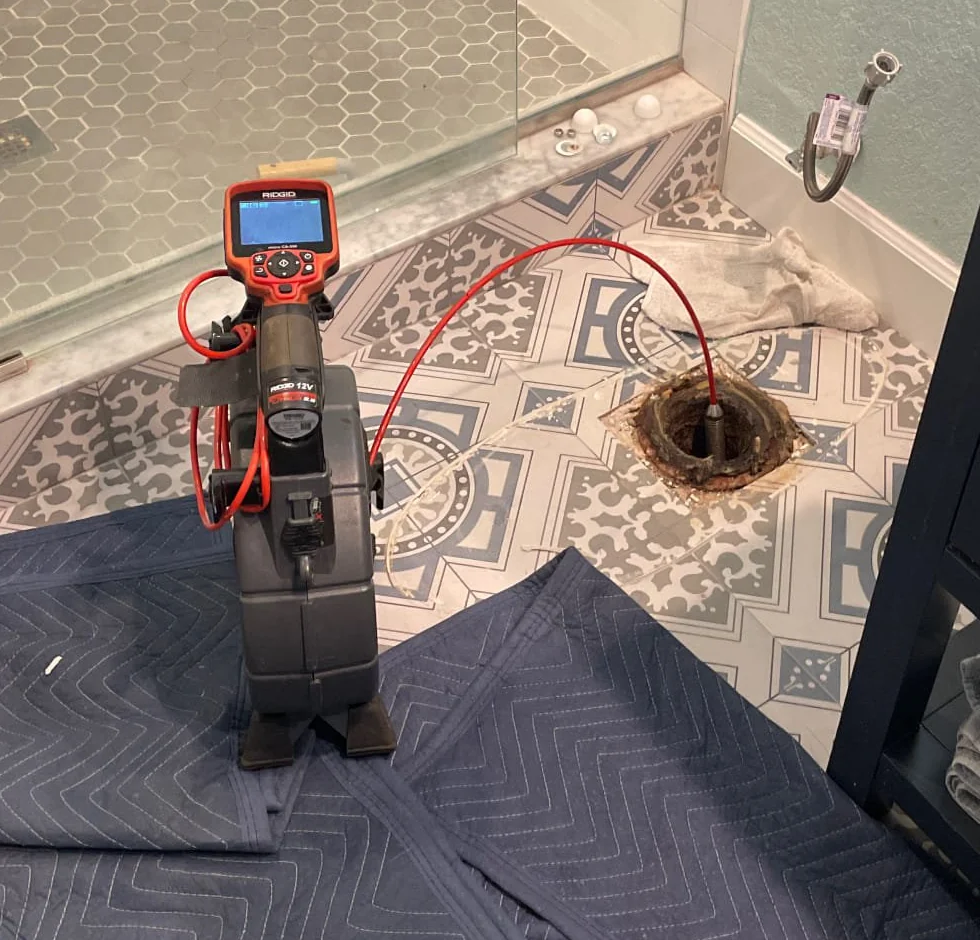
We’ll look at the symptoms and the plumbing before recommending a method. Mechanical drain cleaning, a sewer camera inspection and hydro jetting serve different purposes. The right choice depends on the pipe’s condition and what we’re trying to resolve.
Prevent avoidable buildup
Use drain strainers to catch loose debris, and flush only toilet paper and human waste. Good habits help reduce avoidable buildup, but they can’t repair a damaged pipe.
Not sure whether you’re dealing with a simple clog or something farther down the line? Explore our drain and sewer services, request an appointment or call 727-662-2550. Tell us what happens when you use the fixture and what you’ve already tried.
Safety references: Poison Control: drain-cleaner hazards and Drano product precautions.