Leak Detection Starting Prices: Questions Before You Book
A damp spot, an intermittent drip or a notice about unusual water use can leave you wondering where to start. You don’t need to choose the detection equipment before calling us.
To help you plan, Gulfview’s leak detection starting prices are $295 for standard detection and $495 for electronic detection. We’ll discuss the concern with you so the proposed service fits the situation.
What have you noticed?
Even if the drip stops before we arrive, tell us when it last happened and what was being used nearby. Mention whether you noticed it after a shower, while an appliance was running or following rain. You do not need to recreate the leak. A short history helps us discuss the right starting point without assuming that every damp spot comes from a water-supply pipe.
Has the same area been repaired before? Previous repair details and any water-utility notice can help us understand what has changed. Tell us where the moisture appears and whether it is spreading.
A photo of an area you can safely reach may help. Please don’t open a wall or enter an unsafe space just to get one. If water is actively leaking, call 727-351-4700 instead of waiting for an online response.
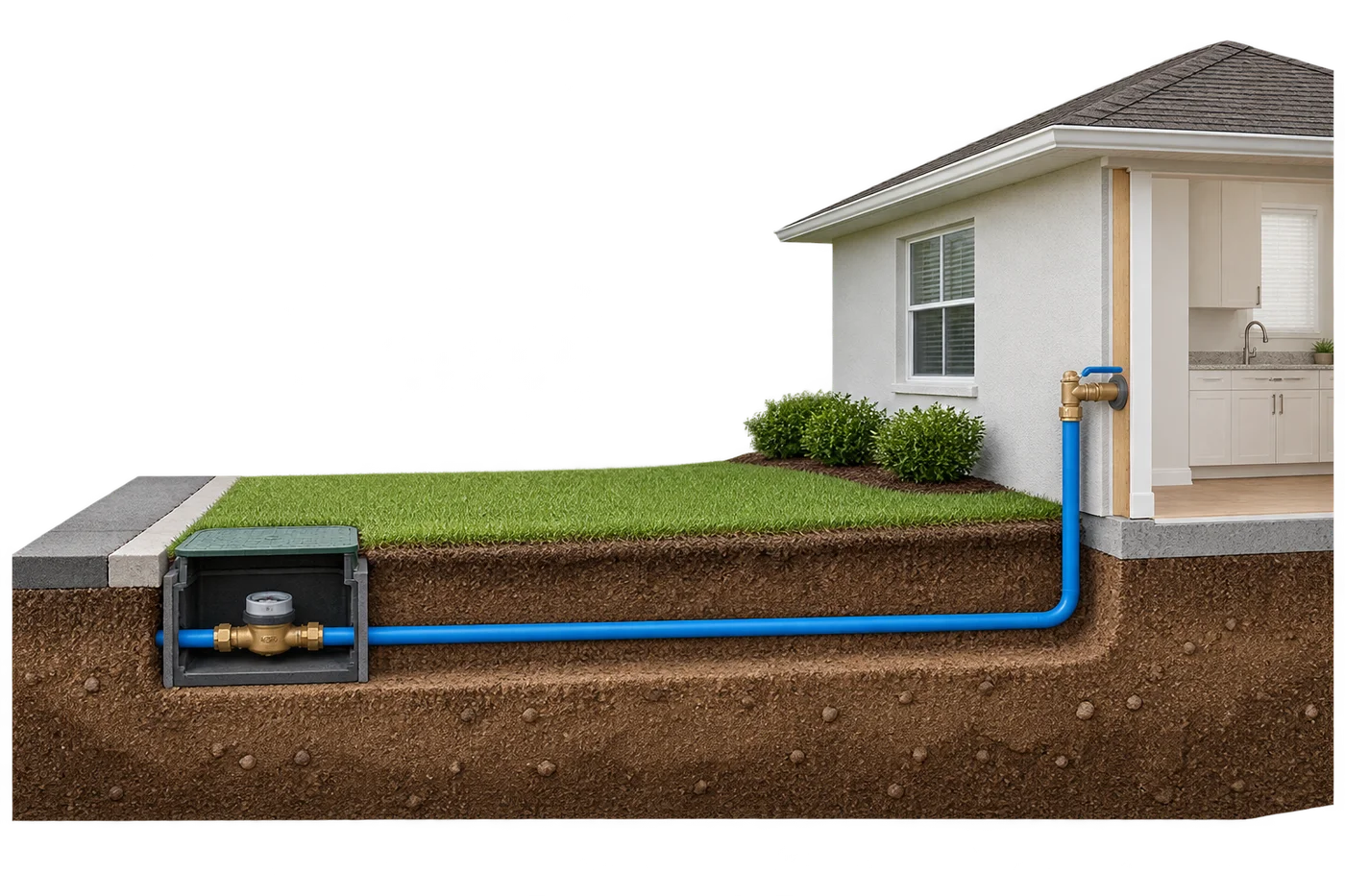
Which leak detection visit fits your concern?
You may know exactly where the water appears without knowing why it is there. Or you may have a utility alert and no visible leak at all. Those calls deserve different conversations. We start with the symptom, the property and what has already been checked, then explain the proposed visit and price.
A drip you can see
Water beneath a sink, around a supply connection or beside exposed piping gives us a place to begin. Tell us whether it appears while the fixture is running or continues between uses. The answer helps us consider which parts of the plumbing need attention. There is no need to take the cabinet apart or buy replacement parts before we have looked at the problem.
If the source is visible, ask whether you should book a repair visit rather than a separate leak detection service. We can discuss the concern when you call. Finding the cause still matters: replacing the first wet fitting is not always the answer when water has traveled from somewhere above it.
A hidden leak or unexplained water use
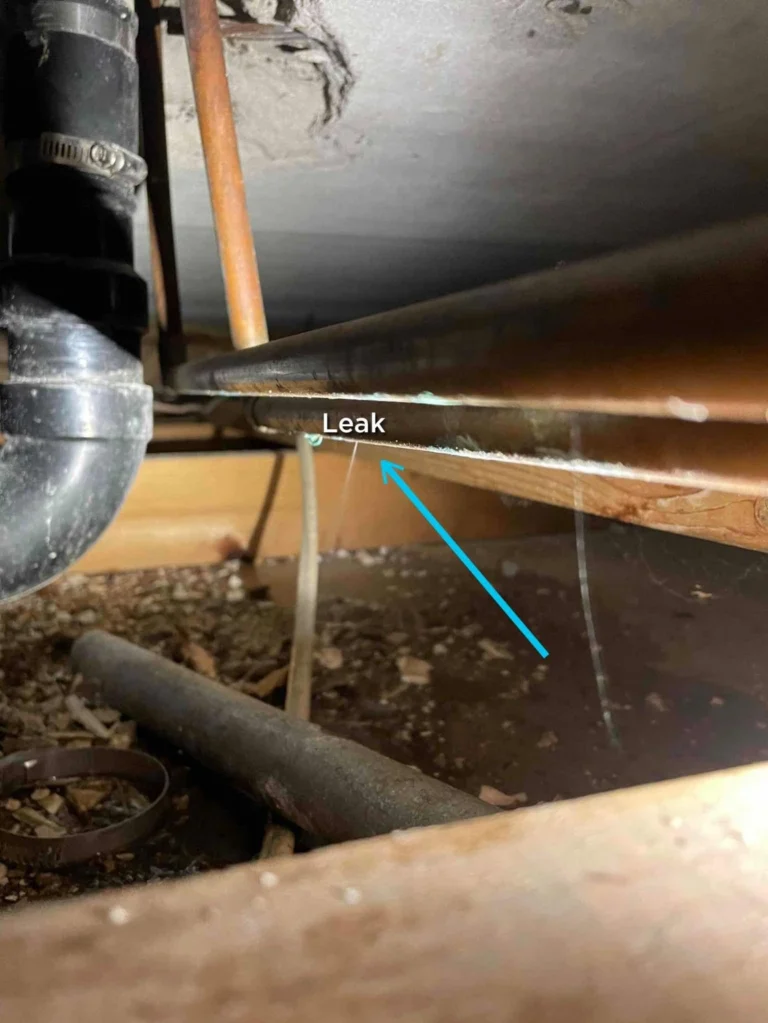
Electronic leak detection starts at $495. Whether it is appropriate depends on what we are investigating and what can be reached. This is a starting price for the proposed detection work, not a promise that every hidden leak takes the same amount of time or can be located without further access.
Have you already had an inspection or repair in the same area? Share the findings when you schedule. Knowing what has been tried helps us plan a useful next step instead of repeating the same conversation. If another contractor has opened an area, let us know that too.
A leak that comes and goes
An occasional damp spot can be frustrating, especially when it dries before the appointment. A simple description is helpful: which room, when you last noticed it, and whether a fixture or appliance was being used. An existing photo can help explain the pattern. Please do not run water into a known leaking area just to demonstrate it.
Five questions that help you compare leak detection prices
1. What does the starting price include?
Standard detection starts at $295, and electronic detection starts at $495. Before work begins, we will discuss the proposed investigation with you. A useful estimate identifies the concern being investigated and what is included, rather than leaving you to guess what a general label covers.
2. Is this one fixture or a larger property investigation?
A drip under one sink and unexplained water use across a multi-unit building are different concerns. Mention shared meters, restricted rooms or building-management arrangements when you call. That helps us discuss access and the appropriate service before the visit. Our condo plumbing guide explains how a little coordination can make access easier.
3. What happens if more investigation is needed?
You should know what we recommend next and what it will cost before deciding. A second step may be appropriate when a leak is intermittent or concealed. Ask what the additional work is intended to answer. We want you to understand the decision, not feel you have to choose equipment or a repair on your own.
4. Are the repair and access included?
Leak detection and repair are separate parts of the work. An estimate for finding the source is not automatically an estimate for replacing pipe, opening a floor or restoring finishes. Once we understand the problem, we can talk through the repair and access it may require. Compare those details when weighing proposals, not just the number at the top.
5. What will I know after the visit?
The conversation should cover the findings, any uncertainty and the recommended next step. If a repair is proposed, ask why it fits the problem and what alternatives are reasonable. Keep the estimate with any previous repair information so you have a clear record when you decide how to proceed.
The starting price covers detection, not every possible step that follows. Access and the amount of investigation needed can affect the work. And the higher-priced option isn’t automatically the right one for your home. Ask us to explain the proposed approach and what’s included. Our plumbing service pricing menu also brings leak detection starting prices and other service options together in one place.
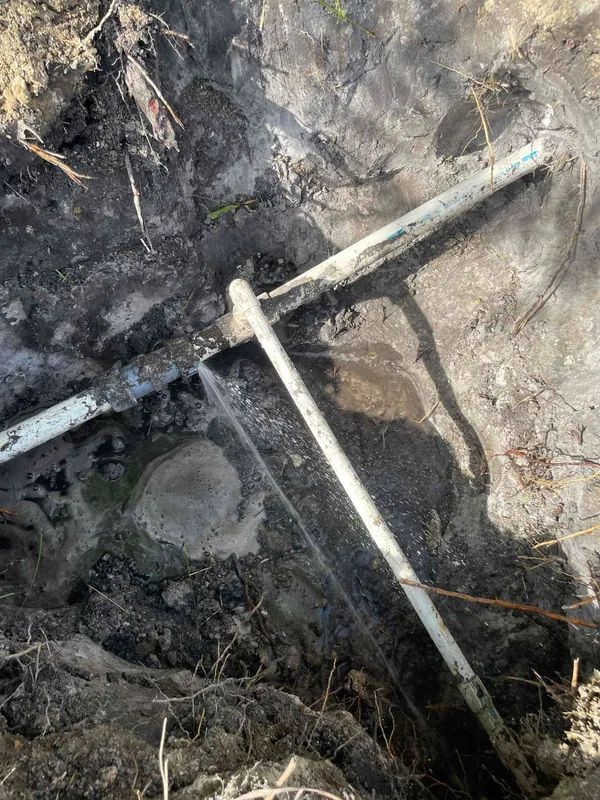
What if the first checks don’t locate the leak?
An intermittent leak may not be active during the visit, and concealed piping can limit what an initial inspection reveals. An inconclusive check is not the same as confirming that no leak exists. We’ll explain what was checked, what remains uncertain and the next investigation we recommend.
Further detection may involve different equipment or additional access. Before expanding the work, we’ll discuss the proposed service, its price and what it is intended to investigate so you can decide whether to proceed. You don’t need to approve a repair before the findings support one, and electronic detection is not automatically necessary for every damp spot.
If the symptom returns after the visit, note when it happened and contact us with that update. New information can help guide the next step without starting the conversation from scratch.
What happens after the leak is found?
Finding a leak and fixing it are two parts of the conversation. Once the findings are clear, the repair estimate should explain what needs work and how we’ll reach it. If that means opening a wall, floor or landscaped area, ask who will restore it afterward. Plumbing repairs and water-damage restoration aren’t included simply because you’ve booked detection.
Keep your estimate and any approved changes together. If you’re comparing proposals, check that they cover the same work; two starting prices can look similar while describing different services.
When the water bill is your first clue
You may notice unusual water use before you see any moisture. EPA WaterSense recommends comparing water bills with the same period in the previous year and asking your utility whether leak alerts are available. Bring that history to the conversation, along with any changes in household or outdoor water use. It helps us understand the concern without assuming every higher bill means a hidden pipe leak.
Questions homeowners ask before booking
Does a high water bill mean I have a buried leak?
Not necessarily. A running toilet or dripping fixture can waste water without leaving a wet patch in the yard. Changes in household use can also affect the bill. Compare the amount of water used and the billing period, and tell us about any recent changes. Our running-toilet inspection story shows why accessible fixtures deserve attention before assuming the problem is underground.
Should I wait until I can see where the water is coming from?
You do not need to locate the source before asking for help. Tell us about the active leak, spreading moisture or utility alert you have now. If water is flowing into your home, call rather than waiting on an online message. Keep clear of wet electrical equipment and unsafe areas; do not open a wall to investigate on your own.
Can a water alarm help after the repair?
A moisture alarm can alert you when water reaches its sensor, while a flow-monitoring system looks for changes in water use. Some systems can also shut off the supply. These devices have different roles and do not replace finding an existing leak. EPA WaterSense explains leak alarms and flow monitoring; we can discuss which approach may fit your home and the area you want to protect.
Is leak detection covered by insurance?
Your insurer can explain your policy and any documentation it needs. Ask directly about detection, plumbing repairs and damage restoration, since those are different costs. We can discuss the plumbing work we propose, but we cannot promise coverage or a claim outcome.
What should I tell Gulfview when I call?
Start with what is worrying you: a damp cabinet, water around a fixture, an unexpected bill or a notice from the utility. Tell us whether it is active now and whether other work has already been done. You do not need technical terms. We will help you choose a sensible starting point for your home.
Let’s start with what you know
Tell us about the leak concern at your property, or read more about our leak detection and repair services. Your address and a short description of what’s happening are enough to start the conversation.