Returning to Your Florida Home? Essential Plumbing Checks
You’ve made it back to Florida, opened the blinds and started settling in. Before the laundry piles up and everyone heads for a shower, give the plumbing a little attention. A home that’s been quiet for weeks or months deserves more than a quick turn of the kitchen tap.
These seasonal-home plumbing checks help you notice concerns early and decide what needs a closer look. Whether you’re returning to Clearwater, Pinellas Park or another Gulfview service area, the goal is simple: get comfortable without overlooking a drip, a running toilet or equipment that needs attention.
Start with a quiet walk through the house
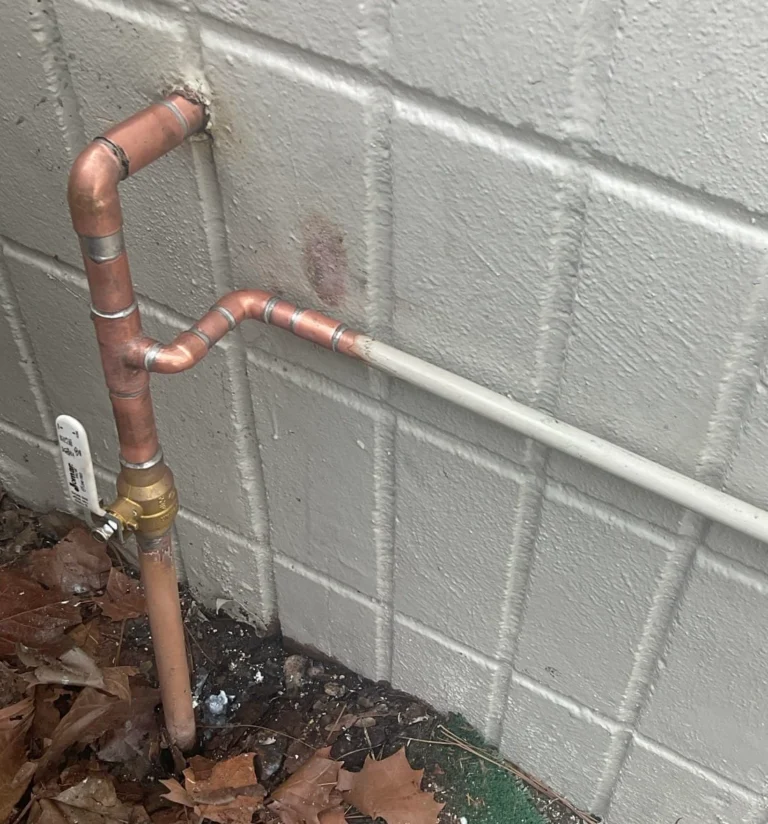
Before using several fixtures at once, look under accessible sinks, around toilet bases and near the water heater. Notice fresh staining, damp cabinet bottoms or a sound of running water where you don’t expect it. Check the outdoor faucets too. A problem outside is easy to miss when your first priority is unpacking.
If the water was shut off while you were away, follow the reopening instructions for your home and equipment. Don’t force a stiff valve or turn unfamiliar equipment back on by guesswork. In a condo, check with management before operating anything that might serve another unit.
Visible water near electrical equipment, an actively leaking pipe or a sagging ceiling needs prompt attention, not another test run. Keep clear of the affected area and call for help.
Refresh unused fixtures with the right guidance
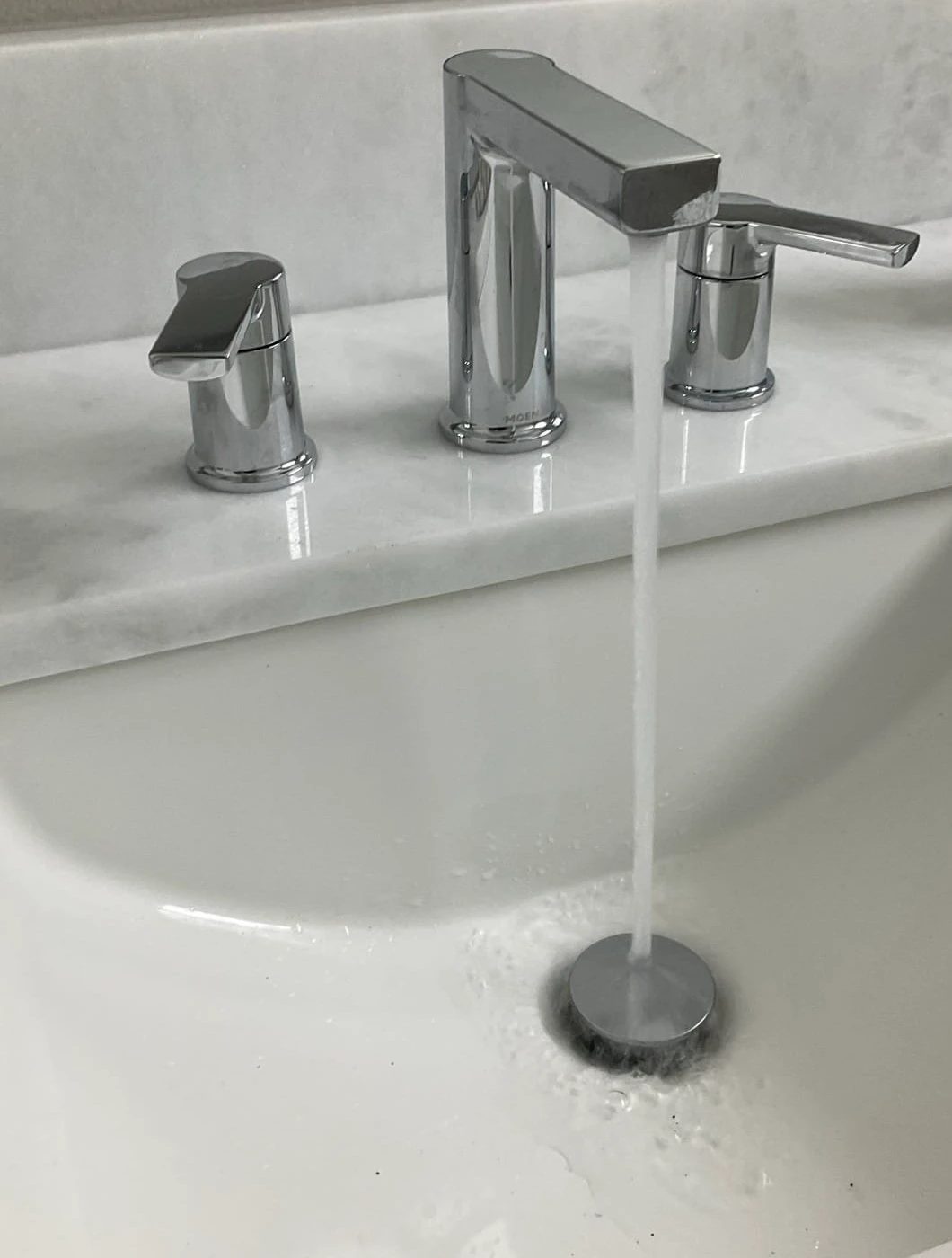
Water sitting in household pipes is different from water that moves through the system every day. The CDC’s guidance for waterborne germs at home recommends flushing faucets and showerheads that haven’t been used for a week or more. Follow its instructions along with any guidance from your water utility, building manager and equipment manufacturer.
Don’t assume that clear-looking water proves everything is fine. If you find unusual discoloration, a significant pressure change or a water-quality notice, contact your utility and follow its directions. A plumbing inspection and a water-quality question may require different next steps.
Listen after the toilet finishes filling
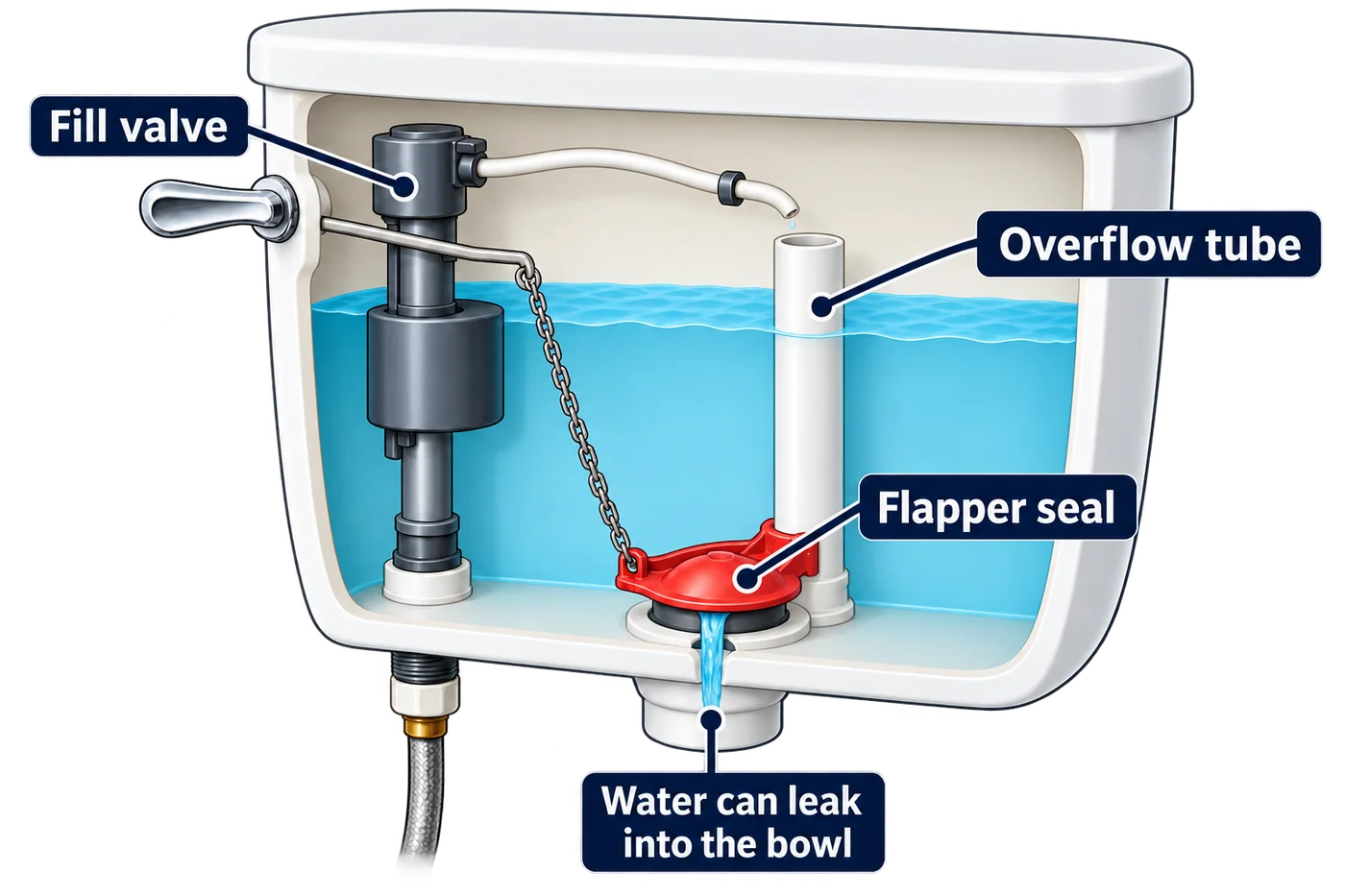
A guest bathroom can hide an ongoing problem simply because nobody uses it often. Flush the toilet, let the tank refill and listen. Does it stop, or does it keep hissing? Does it refill again without anyone flushing?
Those details are more useful than assuming the toilet needs replacing. Our guide to running toilets and unexpected meter activity explains why a small internal leak deserves attention. Water around the base is a separate concern and shouldn’t be dismissed as the same problem.
Give filters and water-heating equipment their own check
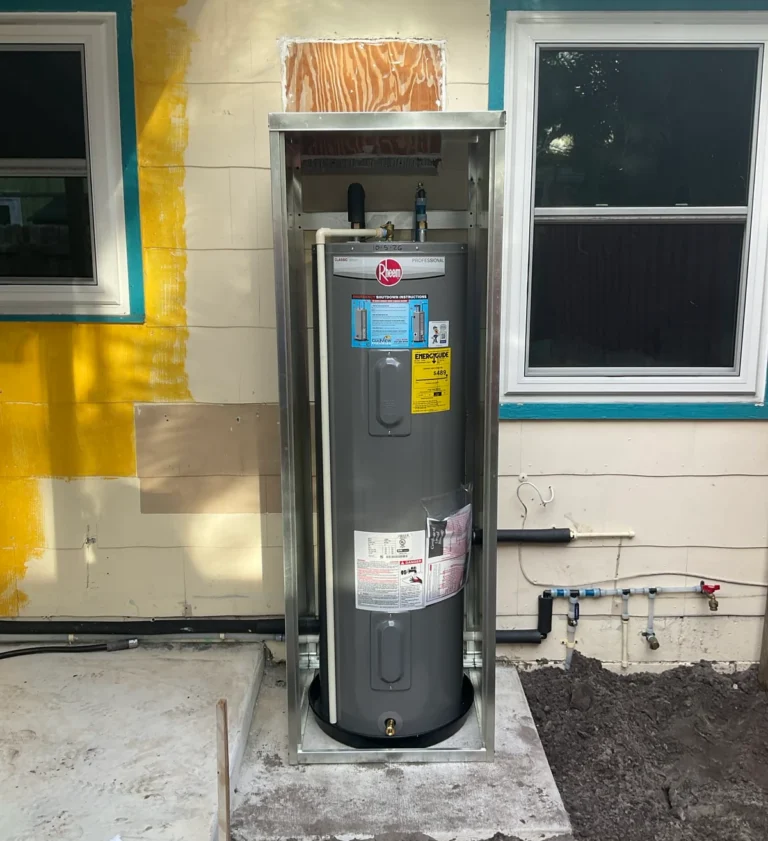
Look at the service records you left behind. Is a filter due for replacement? Was the softener put into bypass? Was the water heater shut down or left in a vacation setting? These are different pieces of equipment, and they don’t all restart the same way.
Follow the manufacturer’s maintenance and restart instructions. If you aren’t sure how the system was left, ask before changing controls. Don’t energize a water heater that may be empty, and don’t turn the temperature up to compensate for a problem you haven’t identified.
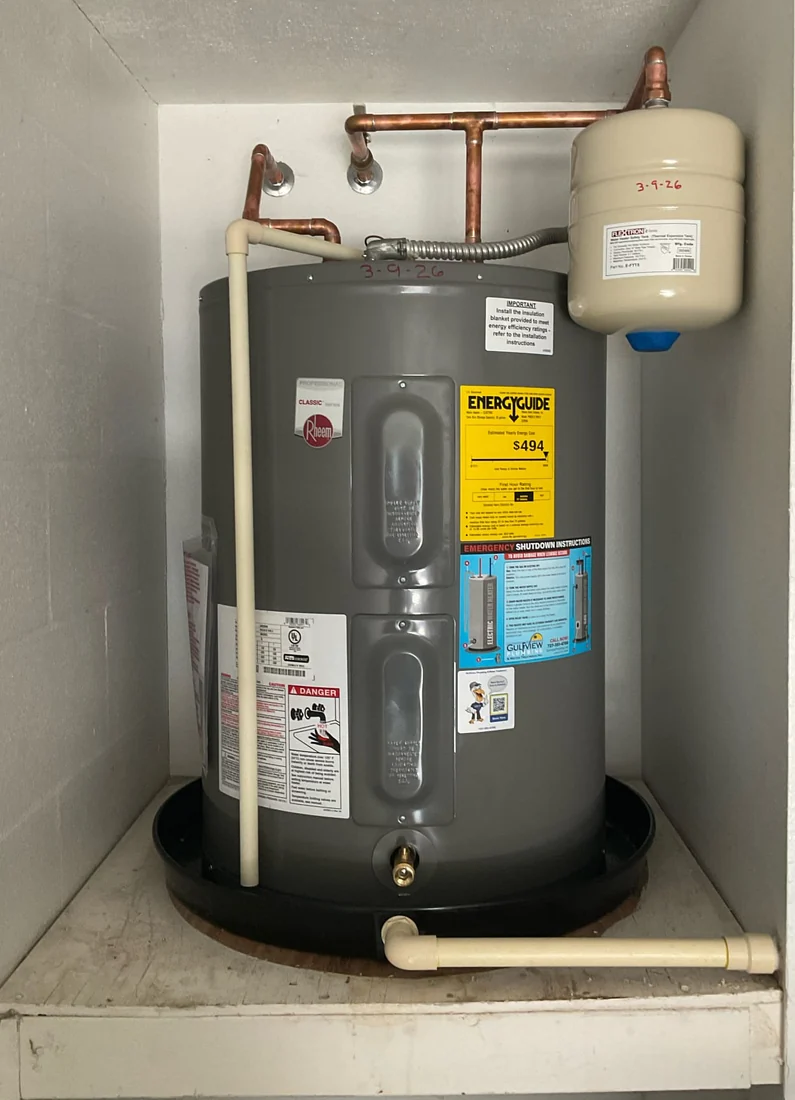
If water treatment is on your list, bring us your concerns rather than a guess at the equipment you need. Our water-treatment guide can help you prepare. Gulfview recommends, furnishes and installs systems for different needs, and we also install customer-supplied equipment.
A drip doesn’t automatically mean a new faucet
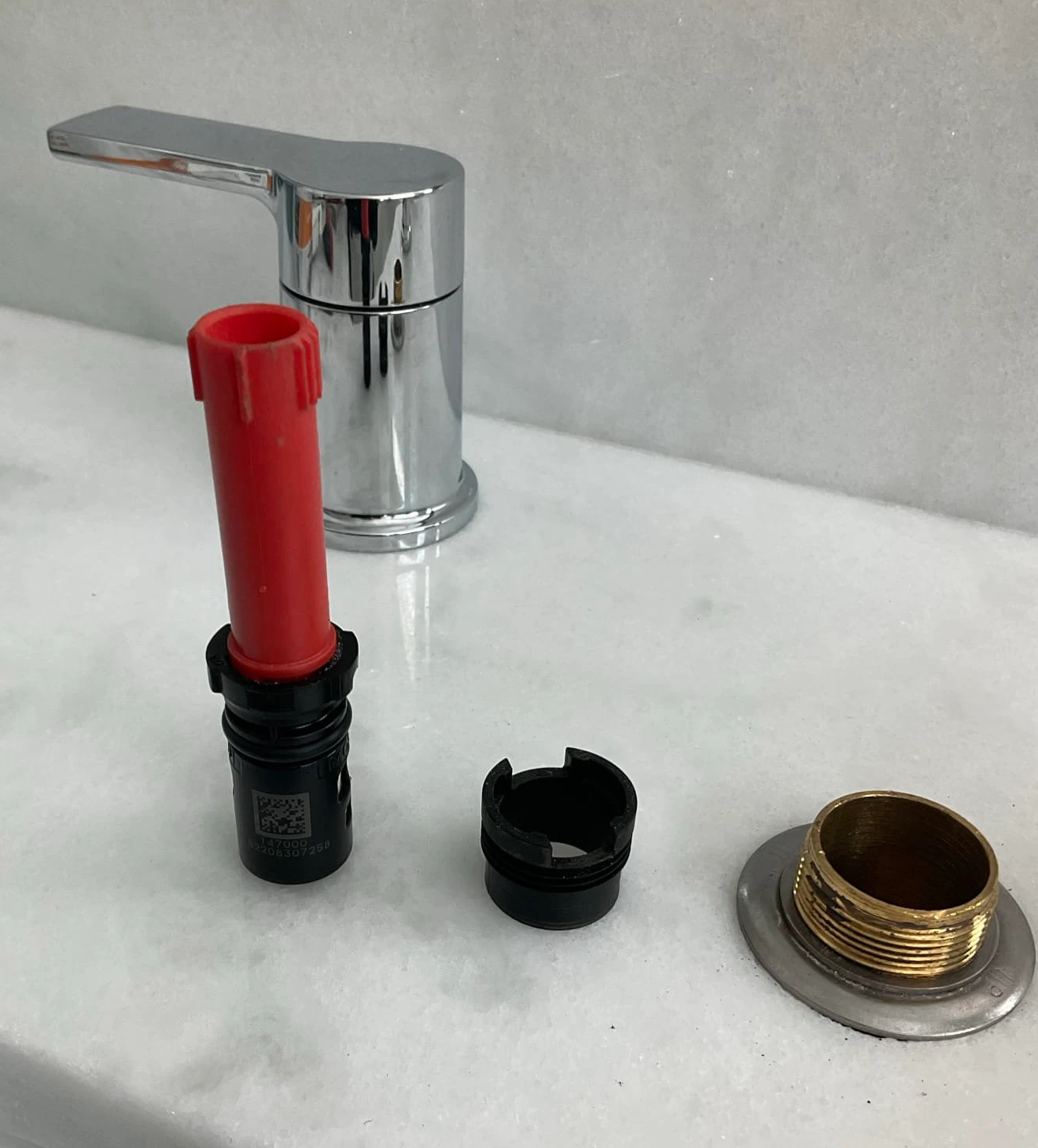
A faucet that won’t stop dripping may need a repair, while a worn fixture or a planned bathroom update may make replacement the better conversation. Tell us what changed: a drip from the spout, moisture near a handle, water below the sink or a change in flow. Each points us toward a different part of the problem.
Have a concern before you settle in?
You don’t need to diagnose it before calling. Tell Gulfview how long the home was unused, whether the water was shut off and what you noticed when you returned. Photos of the fixture or accessible equipment can help us understand the concern without asking you to take anything apart.
For non-urgent residential plumbing service, send an appointment request and our office will confirm the arrangements. For an active leak, call rather than waiting for an online request to be reviewed.