Rinnai RE180 Installation: February 2026 Project Archive
From our project archive: February 13, 2026.
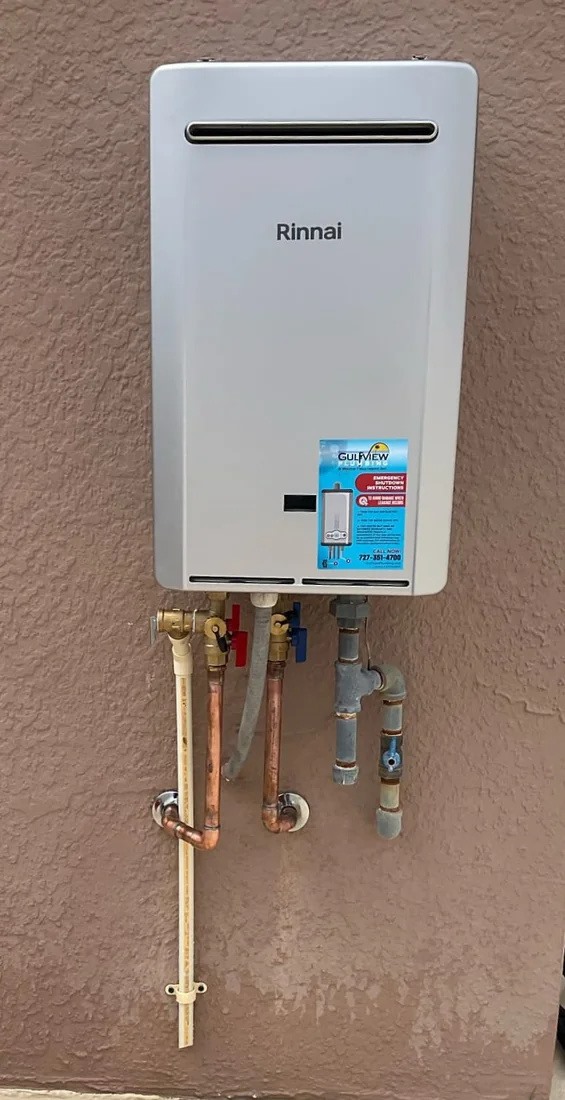
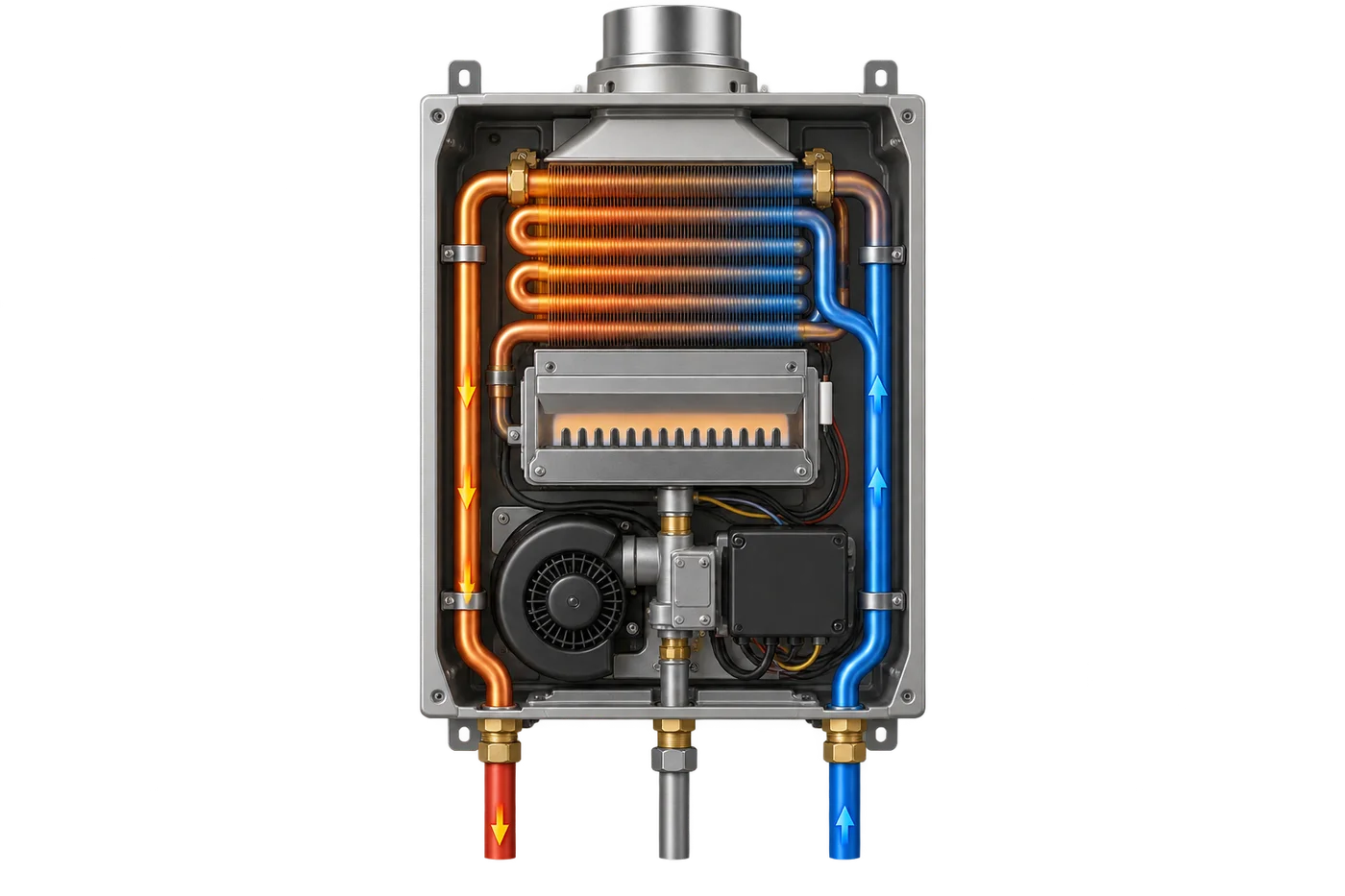
For this water-heater project, we removed the old unit and installed an outdoor Rinnai RE180 tankless water heater. It’s one example of the replacement options we work with, and a good starting point for talking about what a tankless installation involves.
Installing the Rinnai RE180 outdoors
The new RE180 was installed in an outdoor, wall-mounted setup. Choosing a location is an important part of planning a replacement: the equipment needs an appropriate installation setting and room for future service. The setup that fits one home isn’t automatically the right choice for the next.
Planning your Rinnai replacement today
If you’re considering tankless, start with how your household uses hot water. We’ll need to consider demand, the available fuel supply and connections, placement requirements, access and budget before recommending the equipment and installation scope.
One question worth asking early is how long it takes hot water to reach your faucets. A tankless heater doesn’t automatically remove that wait, because water still travels through the home’s pipes. Our tankless water heater guide and maintenance guide can help you prepare for the conversation.
Hot water that fits your daily routine
A replacement is a chance to talk about what you want from your hot water. Perhaps two showers run together in the morning, or the dishwasher and laundry overlap in the evening. Tell us where your current heater falls short and what you like about it. Those details help us compare options that fit the way you actually live.
Tankless capacity isn’t simply a matter of counting bathrooms. The amount of water used at once and how much the heater must raise its temperature both matter. Rinnai’s sizing guidance explains these factors. We’ll help you make sense of them so you aren’t left choosing a heater from a maximum-flow number on a product listing.
What changes when you replace the heater?
Keeping an outdoor heater in a familiar location may sound straightforward, but the replacement still needs to suit that location. We look at the existing connections and service access before explaining the proposed work. If changes are needed, you should understand them before deciding to proceed.
Bring us your questions about the installation as well as the heater. Will work affect access along the side of the house? What needs to be cleared nearby? When will hot water be unavailable? We can discuss those practical details as part of planning your visit, rather than leaving you to work them out on installation day.
A fresh start for your Rinnai includes ongoing care
Once your new Rinnai is in place, keeping it accessible makes future service easier. Landscaping, storage and other changes around an outdoor unit can gradually crowd the space. Ask us about care for your particular equipment and keep its model information and service records together.
If your current Rinnai is showing an error or struggling to deliver hot water, tell us what happens and when. Maintenance and repairs address different needs; we can help you choose an appropriate next step. You don’t need to know which part has failed before calling.
Is replacing your Rinnai the right next step?
When hot water becomes unreliable, it’s tempting to jump straight to a new heater. Sometimes a repair is worth considering first. The useful question is what is causing the problem and how the available options compare for your home. A service visit can help separate a heater issue from a problem at a faucet or elsewhere in the plumbing.
If you’re happy with your current Rinnai but have noticed a change, describe that change when you call. Does the shower turn cool partway through, or is hot water slow to arrive from the beginning? Does every tap behave the same way? You don’t need to troubleshoot the equipment yourself. A clear description helps us understand the concern you want solved.
For an older heater facing a significant repair, we can also discuss replacement. Ask about the proposed work, the equipment being offered and the care it will need. The aim is a choice you understand, whether that means keeping the current unit in service or planning something new.
Comparing the full Rinnai installation price
A price for the heater alone doesn’t tell you what a finished installation will cost. The existing setup, connections and proposed location all affect the work. When comparing estimates, look for a clear explanation of what is included and what would need to change at your home.
We can walk through the differences between replacing an existing outdoor Rinnai and changing from a different type of water heater. Let us know if you are also planning a bathroom remodel, adding fixtures or changing how the home is used. Those plans may affect the hot-water demand you want the new system to support.
Your budget matters, too. Tell us whether you need to address an immediate failure or are exploring an upgrade before the current heater gives out. We can discuss suitable options and the proposed installation before you decide. You should feel comfortable asking what a recommendation means for your home and why it has been included.
Will a gas tankless heater work during a power outage?
A gas supply alone does not keep a Rinnai tankless heater running when electrical power is lost. Its controls also need electricity. If outage planning is important to you, ask about a compatible backup option for the specific heater rather than assuming that every gas appliance will keep operating.
This is particularly useful to discuss before installation, alongside the location and household demand. We can help you identify the questions that apply to your equipment so your expectations match the system you choose.
Make room for maintenance in your plans
Good access isn’t only helpful on installation day. Your Rinnai will need attention over time, and its service connections should remain reachable. Before building a screen, expanding a planting bed or placing storage nearby, consider how a technician will reach the unit and follow its installation requirements.
Water quality is another part of that conversation. Ask about maintenance appropriate to your heater and local conditions, especially if you already have concerns about mineral buildup. Our water treatment services can help you explore those concerns separately from selecting a new water heater. A treatment recommendation should fit your water and your needs.
Keep the owner’s manual and service history somewhere easy to find. If you already have a Rinnai, its model information helps us discuss the right maintenance and replacement options. A photo of the equipment label can be useful when arranging service, but there’s no need to remove covers or reach into the unit to prepare for a call.
Tank or tankless: what changes for your home?
If you’re comparing a Rinnai with a conventional tank water heater, think about the experience you want as well as the equipment. A storage heater keeps a supply of hot water ready. A tankless heater heats water as it passes through. That difference can make tankless appealing when you want longer periods of hot-water use without drawing down a stored tank.
There is still a limit to how much hot water a tankless unit can deliver at once. A busy household should compare capacity for its busiest routine, rather than treating “on demand” as a promise that every fixture can run together without limits. The Department of Energy’s tankless overview explains why flow and temperature rise are central to sizing.
Space is another consideration. A wall-mounted heater may suit a home differently from a tank that occupies floor space, but the installation needs room around it for operation and service. If reclaiming a closet or moving equipment is part of your goal, discuss that before choosing a model. Moving a heater involves more than choosing an empty wall.
Energy use also deserves a realistic comparison. Tankless heating avoids keeping a full storage tank hot between uses, but your eventual costs depend on the equipment, fuel prices and how much hot water your household uses. We won’t promise that a replacement will lower every bill by a fixed amount. Compare the proposed equipment and installation with your current needs and budget.
What if the problem is only at one faucet?
A disappointing shower doesn’t always mean the whole heater needs to go. If hot water works normally in the kitchen but behaves differently in one bathroom, that distinction is useful. A fixture concern can feel like a water-heater problem when you’re the person standing at the tap waiting for a comfortable temperature.
Rinnai equipment needs enough water flow to activate and keep heating. Restricted flow or the way hot and cold water mix at a fixture can affect what you experience. The right response depends on the model and the plumbing involved. Rather than changing several settings at once, describe the symptom and let us help identify where the problem starts.
Our plumbing services cover concerns beyond the heater itself. If a dripping faucet, difficult shutoff or another repair is already on your list, mention it when arranging the visit. We can discuss how those concerns fit together and plan the appointment accordingly.
Choosing an outdoor Rinnai location with confidence
The outdoor installation in this archive offers a useful starting point, but your home may have different needs. Doors, windows, nearby equipment and access routes all affect where a proposed unit can go. The specific Rinnai installation instructions and applicable requirements guide that decision; an attractive wall location alone is not enough.
Let us know about other work you are considering outside. A future patio, screened area or landscaping project may affect the space around a heater. Discussing those plans early helps avoid choosing a location that becomes inconvenient when the next home improvement begins.
You can also ask how the finished installation will look. Visible piping, service connections and the route to existing utilities are part of the overall result. We can explain the proposed arrangement before work begins so you understand both the appearance and the practical access it needs.
Questions worth asking before you choose
You shouldn’t have to become a water-heater expert to make a confident decision. Ask us why a particular Rinnai is being recommended for your home, what work is included and how the installation supports your normal hot-water use. If two options have different prices, ask what accounts for that difference.
Warranty questions are welcome, too. Equipment coverage and the terms for installation work should be understood separately. Keep the documents supplied for your chosen model and ask about registration, maintenance requirements and whom to contact if a concern develops. The terms for an older installation are not automatically the terms for a new one.
Before scheduling replacement, talk through access and timing. If family members work from home, a guest is staying with you or someone relies on a particular bathroom, tell us. Those everyday details help us discuss the visit in a way that fits your household.
This archived Rinnai RE180 project shows one of the installations Gulfview has completed. Your next step can be a simple conversation about your current heater, the problem you want solved and the choices available for your home. We’ll help you turn a list of equipment options into a plan you understand.
If you rent out the property or arrange service for a family member, let us know who will be available at the home and who will make decisions about the work. Clear communication helps everyone understand the proposed replacement, access arrangements and next steps without passing incomplete information back and forth.
Thinking about replacing your water heater? Talk with Gulfview or call 727-351-4700. We can discuss water heater options for your home. This is a past project, not a current promotional offer.