Water Leak Detectors: What They Can Catch and What They Can’t
Would you know if a water line started leaking while you were out? It’s a reasonable question, especially if you travel or spend part of the year away from your Florida home. Water leak detectors can provide a warning, but the name covers several very different kinds of equipment.
A small alarm under a sink, a device monitoring the home’s water use and a plumber locating a concealed leak don’t do the same job. Understanding that difference helps you choose useful protection without expecting a gadget to find or prevent every problem.
A moisture alarm watches one location
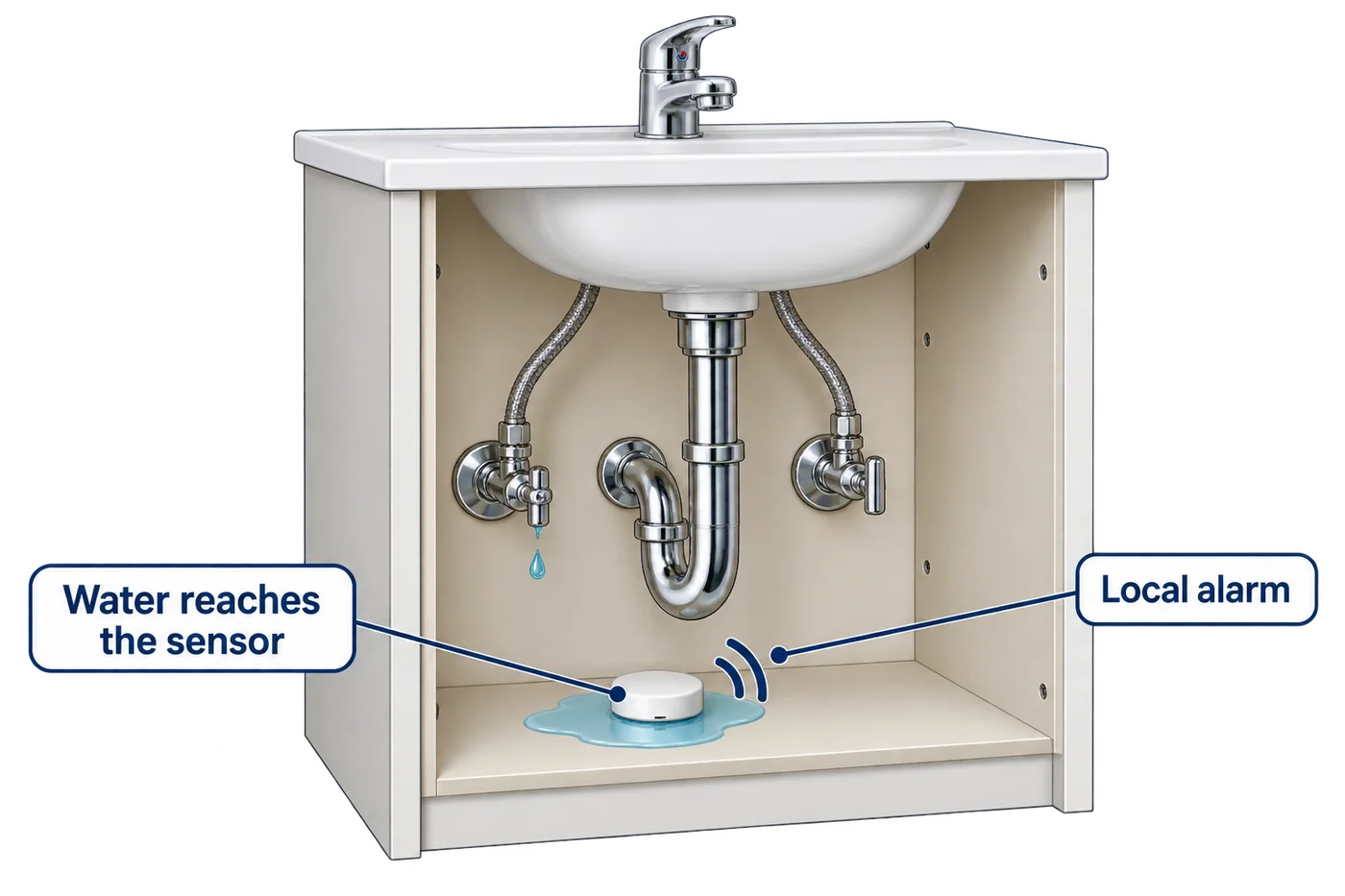
A point-of-use sensor responds when water reaches its sensing area. That makes placement important: an alarm under one sink isn’t watching every pipe in the house. Depending on the model, it may sound locally, send a connected notification or work with other equipment.
A flow-monitoring device instead looks at water moving through the supply it monitors. Unusual use may trigger an alert, and some systems can operate a shutoff valve. The EPA’s overview of leak detection and flow monitoring explains these categories. An alert is a reason to investigate, not a diagnosis of the exact pipe or fixture.
Hidden pipe repairs still require finding the source
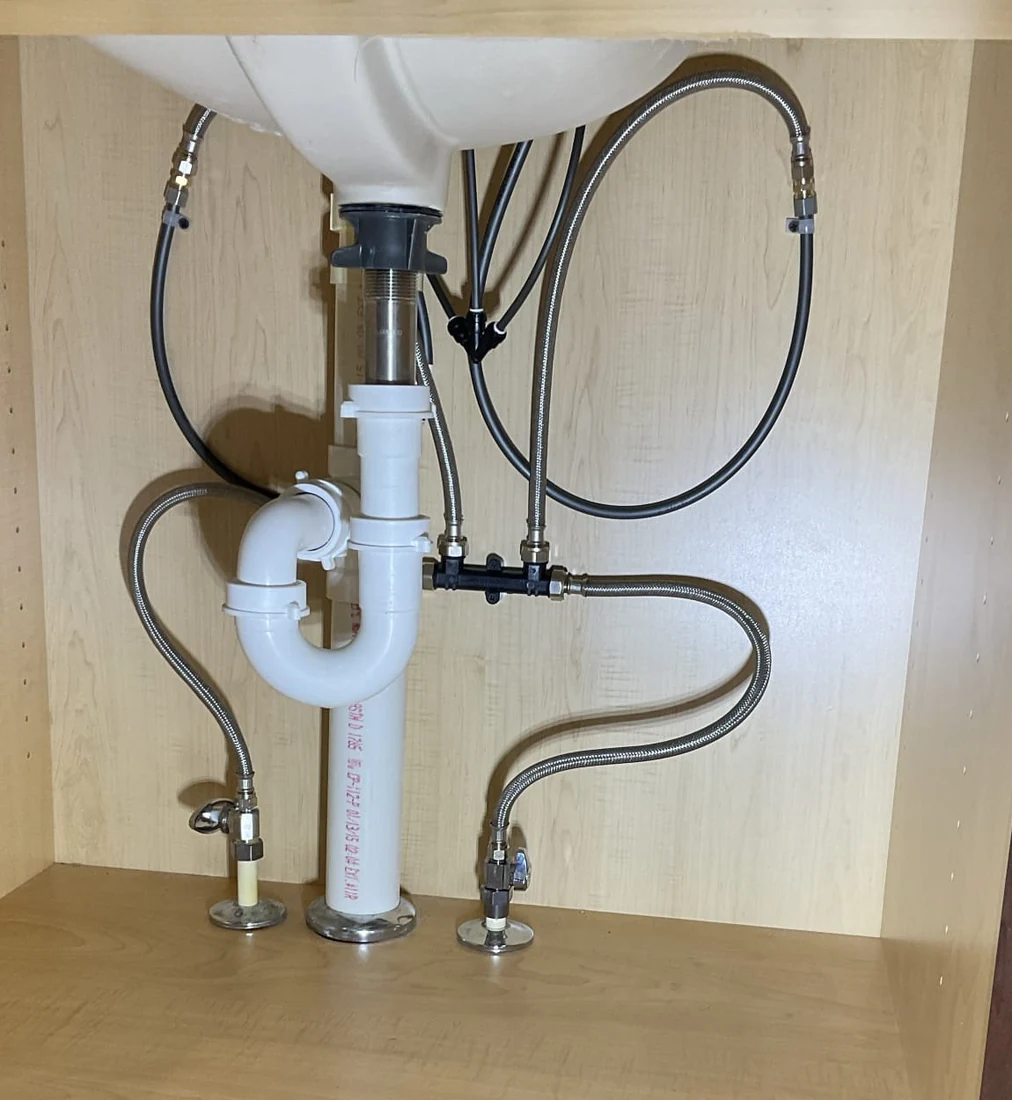
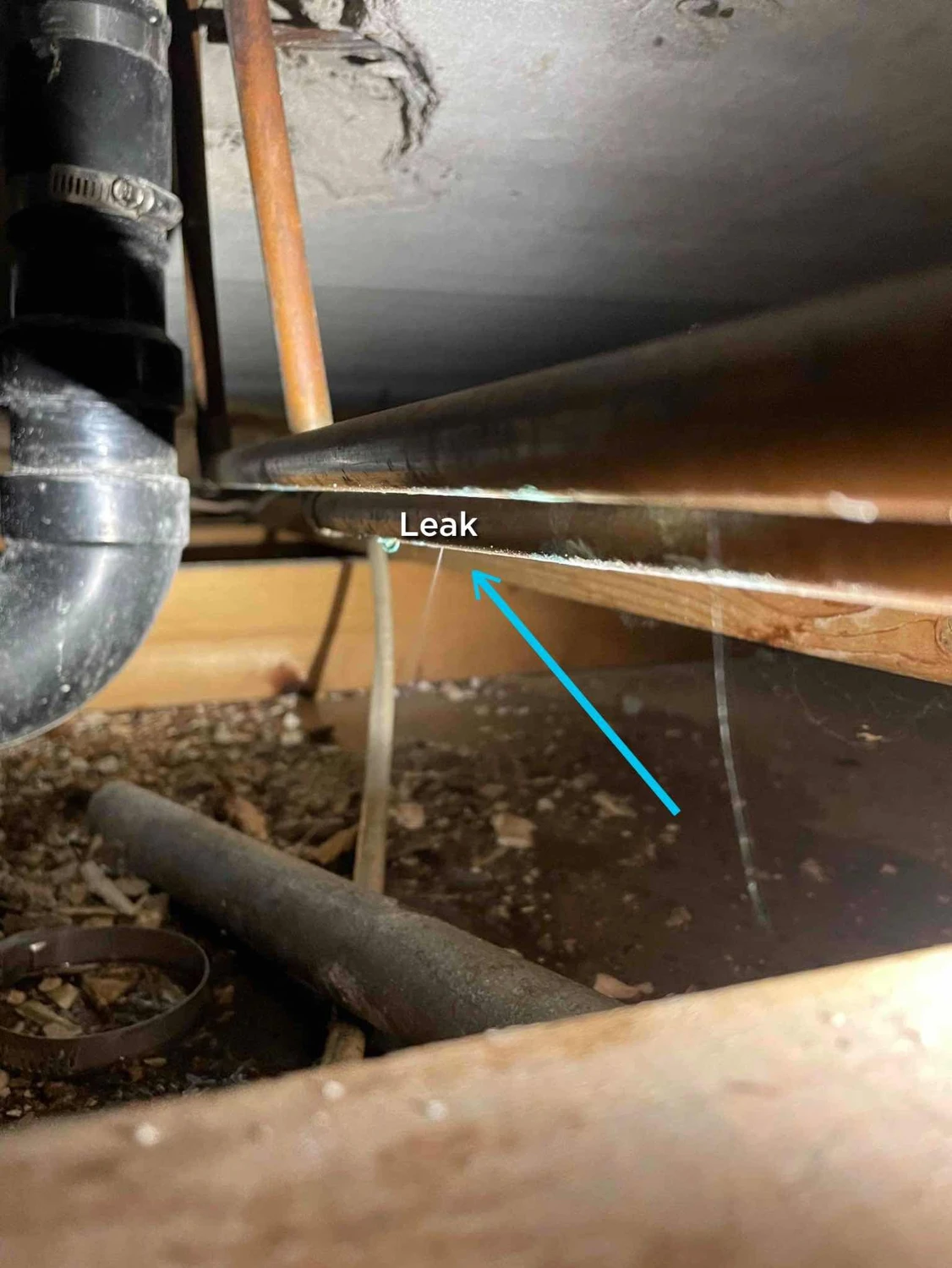
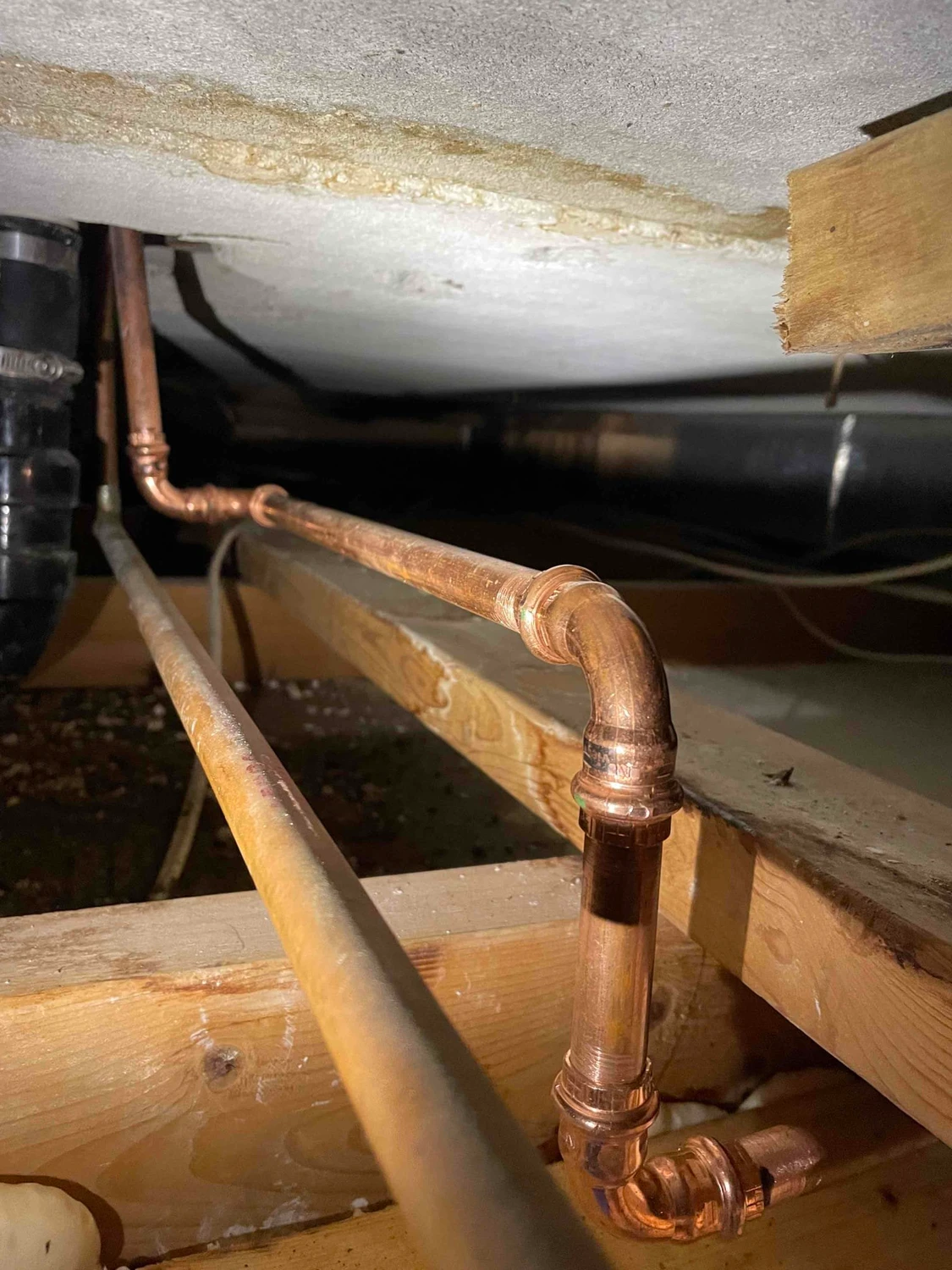
On a residential job, we located, exposed and repaired a leaking copper water line in a ceiling. The photos below show the leak and the repaired piping. That work involved getting access to the actual line; a notification on its own couldn’t make the repair.
If you already have a wet ceiling, unexplained moisture or another sign of an active leak, deal with that concern first. Don’t wait for a newly purchased sensor to confirm it. Keep clear of sagging areas and water near electrical equipment, and call for help.
Ask what happens after an alert
Before choosing equipment, picture an ordinary day when you’re away from home. Would someone hear a local alarm? Who would see a phone notification? Could someone get inside to check? Those questions are just as important as the product’s list of features.
The EPA’s consumer guide to leak-detection devices recommends considering compatibility, power, connectivity and maintenance. Ask whether automatic shutoff is included or requires another component, which plumbing it covers, and how it behaves during an internet or power outage. Requirements vary by product.
Installation also needs to account for pipe size, accessible space and the rest of the home’s water system. A shutoff arrangement must not compromise a fire-sprinkler supply. Follow the product’s instructions and use qualified help for work on the plumbing.
Not every water problem comes from the supply line
A roof leak, a drain problem and water escaping a shower assembly need different investigations. A device monitoring supply flow doesn’t directly inspect those areas. Even with monitoring in place, new staining or recurring moisture deserves attention.
Keep testing and maintaining any monitoring equipment according to its instructions. Batteries, connections and notification settings need attention too. No device can promise that a home will never experience water damage.
Start with your concern, not a shopping list
Tell Gulfview whether you’re trying to monitor a seldom-used home, protect a particular area or investigate water you’ve already found. We can discuss the plumbing and the appropriate next step. If you have a device in mind, have its model and installation requirements available rather than assuming every system fits every home.
For an existing concern, our guide to leak-detection questions before booking explains what to ask about the visit. For non-urgent help, request an appointment below and our office will confirm the arrangements. Call for an active leak rather than waiting on an online request.